


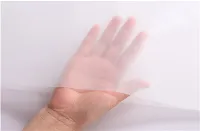


Yo! I'm a supplier of PE Film Laminated PP SMS, and today I wanna talk about the moisture resistance of this awesome product.
Let's start with what PE Film Laminated PP SMS actually is. It's a type of non - woven fabric that combines the features of polyethylene (PE) film and polypropylene (PP) spun - melt - spun (SMS) material. The PE film is laminated onto the PP SMS, creating a material that has some unique properties.
Why Moisture Resistance Matters
Moisture resistance is super important in a lot of applications. Think about it. If you're using a material in a wet environment, like in a medical setting where there might be spills or in a food packaging scenario where you don't want moisture to seep in and spoil the food, having good moisture resistance can make or break the product.
For medical uses, moisture - resistant materials can prevent the spread of fluids that might carry bacteria or viruses. In food packaging, it helps to keep the food fresh and extends its shelf life. And in industrial applications, it can protect equipment and products from the damaging effects of moisture.
How PE Film Laminated PP SMS Achieves Moisture Resistance
The PE film plays a crucial role here. PE is a thermoplastic polymer that has a low water vapor transmission rate (WVTR). This means that it doesn't let water vapor pass through it easily. When it's laminated onto the PP SMS, it forms a barrier that blocks moisture from getting through the fabric.
The PP SMS, on the other hand, provides strength and durability to the material. It's a non - woven fabric made by a combination of spinning and melting processes, which gives it a porous structure. But when the PE film is added, it fills in those pores and creates an even more effective moisture - resistant layer.
Measuring Moisture Resistance
There are a few ways to measure the moisture resistance of PE Film Laminated PP SMS. One common method is to measure the WVTR. This is usually done by placing a sample of the material in a chamber with a controlled humidity and temperature. Over a period of time, the amount of water vapor that passes through the material is measured. A lower WVTR indicates better moisture resistance.
Another way is to do a simple water drop test. You can place a drop of water on the surface of the material and see how it behaves. If the water bead stays on the surface and doesn't soak in, it's a sign that the material has good moisture resistance.
Applications and Moisture Resistance Requirements
Medical Applications
In the medical field, PE Film Laminated PP SMS is used in things like surgical gowns, drapes, and masks. For surgical gowns, the moisture resistance needs to be high enough to prevent the penetration of blood and other bodily fluids. A high - quality PE Film Laminated PP SMS used in surgical gowns should have a very low WVTR to ensure maximum protection for the medical staff.
Food Packaging
When it comes to food packaging, different types of foods have different moisture requirements. For dry foods like cereals or snacks, the material needs to prevent moisture from entering the package. For fresh produce, it might also need to allow a certain amount of gas exchange while still keeping moisture out. PE Film Laminated PP SMS can be customized to meet these different requirements.
Industrial Applications
In industrial settings, this material can be used for protective covers, insulation, and filtration. For protective covers, it needs to resist moisture from rain, humidity, or industrial fluids. In insulation, moisture can reduce the effectiveness of the insulation, so good moisture resistance is essential.
Comparing with Other Materials
Compared to other moisture - resistant materials, PE Film Laminated PP SMS has some advantages. For example, compared to some traditional plastic films, it's more breathable. The porous structure of the PP SMS allows for some air circulation, which can be beneficial in applications where ventilation is needed.
Compared to non - laminated PP SMS, it has much better moisture resistance. The addition of the PE film significantly reduces the WVTR and makes it suitable for more demanding applications.
Our Products and Their Moisture Resistance
As a supplier, I'm really proud of the PE Film Laminated PP SMS products we offer. We've done a lot of testing to make sure that our products meet the highest standards of moisture resistance. Whether you need it for medical, food packaging, or industrial applications, we can provide a solution that fits your needs.


We also offer different types of PE Film Laminated PP SMS products. You can check out our PE Film Laminated PP which is a great all - around option for many applications. If you need a more hydrophilic version, our PE Laminated Hydrophilic Nonwoven Fabric might be the right choice. And for a general - purpose non - woven fabric with PE film lamination, our Pe Film Laminated Nonwoven Fabric is worth considering.
Conclusion
The moisture resistance of PE Film Laminated PP SMS is a key feature that makes it a versatile and valuable material in many industries. Whether it's protecting medical staff from bodily fluids, keeping food fresh, or safeguarding industrial equipment, its ability to resist moisture is what sets it apart.
If you're in the market for a moisture - resistant material and think PE Film Laminated PP SMS might be the right fit for your needs, don't hesitate to reach out. We're here to help you find the perfect product for your application. Let's have a chat about your requirements and see how we can work together.
References
- ASTM International. (Year). Standard test methods for water vapor transmission of materials.
- Textile Institute. (Year). Handbook of non - woven fabrics.