



Building materials are often exposed to rain, humidity, and moisture during construction and use. As a result, materials that can provide additional moisture protection are important in many construction applications. So, why is PE laminated nonwoven used for waterproof building materials?
How Does PE Lamination Improve Nonwoven Performance?
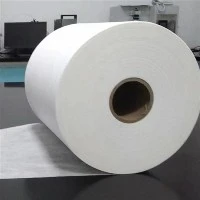
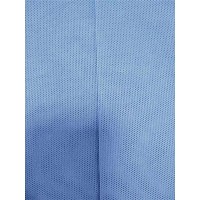
PE laminated nonwoven is generally produced by bonding a polyethylene (PE) film to a nonwoven substrate, such as PP spunbond nonwoven. The nonwoven layer provides flexibility and mechanical strength, while the PE film can create a continuous barrier against water and moisture.
This combination makes laminated nonwoven suitable for applications where lightweight construction and moisture resistance are required.
Where Is PE Laminated Nonwoven Used in Construction?
Depending on the structure and specifications, PE laminated nonwoven can be considered for various building applications, including:
* Roofing and roof protection materials
* Waterproof building components
* Construction protective covers
* Insulation material facing
* Floor and surface protection
* Building material packaging
* Temporary moisture protection
For roofing and construction applications, the laminated layer can help reduce direct contact between the protected material and external moisture.
What Are the Advantages of PE Laminated Nonwoven?
One of the main advantages is the combination of water resistance and flexibility. Compared with some rigid waterproof materials, laminated nonwoven can remain lightweight and relatively easy to handle, cut, and process.
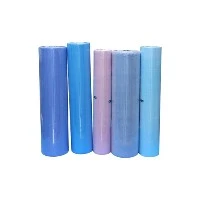
The material can also be customized according to application requirements. Manufacturers can select different PP nonwoven basis weights, PE film thicknesses, widths, colors, and lamination structures.
Why Choose PE Laminated Nonwoven for Building Materials?
Construction products often need to balance protection, weight, flexibility, and manufacturing cost. PE laminated nonwoven provides a practical material option when a product requires additional moisture protection while maintaining a lightweight nonwoven structure.
For manufacturers of roofing, insulation, protective covers, and other construction products, selecting the appropriate laminated nonwoven structure can help meet different performance and processing requirements.