

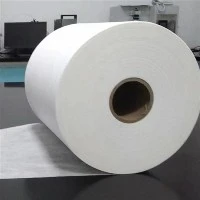
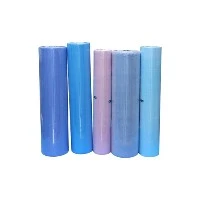
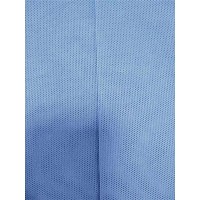
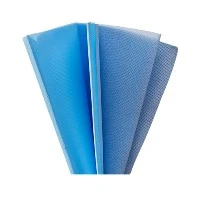
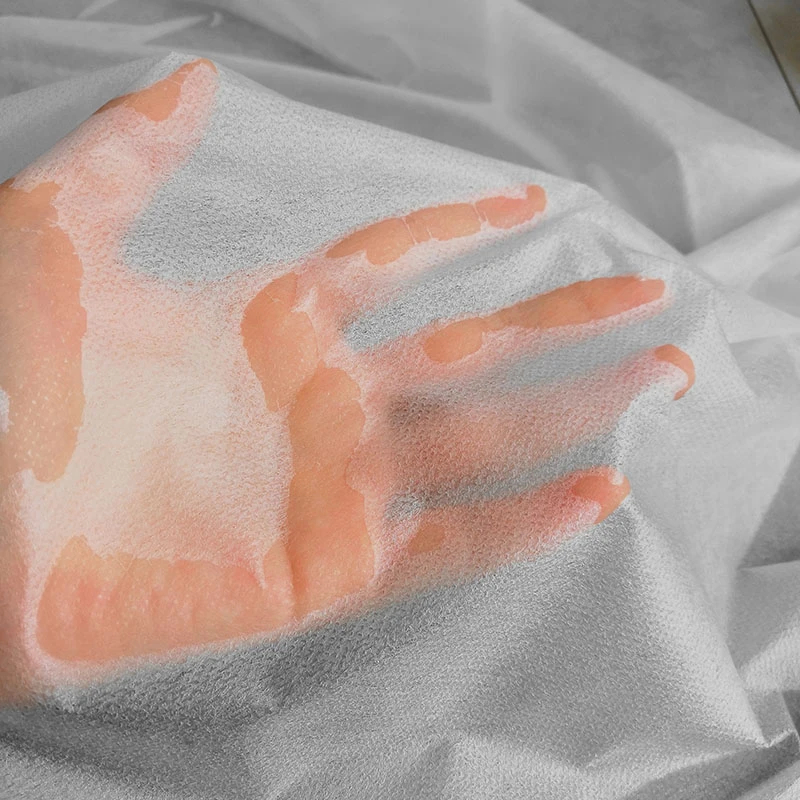
Hydrophilic PP spunbond nonwoven fabric is widely used in applications where liquid wettability, softness, and reliable performance are required. But why is it an important material choice for modern hygiene products?
1. Improved Liquid Wettability and Penetration
One of the main advantages of hydrophilic PP spunbond nonwoven is its improved ability to be wetted by liquids.
Unlike untreated polypropylene, which naturally has hydrophobic properties, hydrophilic-treated PP nonwoven is designed to allow liquids to spread and penetrate more easily across the fabric surface.
This characteristic makes it suitable for applications that require efficient liquid passage and distribution, such as the topsheet and other functional layers of disposable hygiene products.
2. Softness and Comfortable Touch
Comfort is another important consideration in hygiene product manufacturing.
PP spunbond nonwoven fabric is known for its lightweight structure and soft feel. With appropriate material selection and hydrophilic treatment, it can provide a comfortable surface for products designed for direct skin contact.
Its soft texture and flexible structure make it a suitable option for various disposable hygiene applications.
3. Lightweight and Versatile Material
Hydrophilic PP spunbond nonwoven can be produced in different basis weights, widths, and colors to meet different manufacturing requirements.
Its lightweight structure helps manufacturers develop products with suitable material consumption while maintaining the required fabric properties.
Depending on the product design, it can be used in:
Baby diapers
Adult incontinence products
Sanitary napkins
Disposable underpads
Other hygiene and personal care products
4. Find the Right Hydrophilic Nonwoven Solution
Whether you manufacture baby diapers, adult care products, sanitary products, or other disposable hygiene items, selecting suitable hydrophilic nonwoven material is essential to your product performance.