


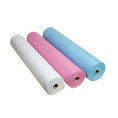


Hey there! As a supplier of Medical PEVA Film, I often get asked if this material can be used in plastic surgery applications. Today, I'm gonna break it down for you and share some insights on this topic.
First off, let's talk a bit about what Medical PEVA Film is. PEVA stands for polyethylene - vinyl acetate. It's a type of plastic film that's known for being flexible, durable, and relatively safe. The "medical" part means it's been designed and processed to meet certain standards for use in medical environments. You can check out more details about Medical PEVA Film on our website.
Now, when it comes to plastic surgery, the requirements are super strict. The materials used need to be biocompatible, which means they won't cause an adverse reaction when they come into contact with the body's tissues. They also need to be sterile and have the right mechanical properties, like strength and flexibility.
Biocompatibility is a major factor. Medical PEVA Film has some characteristics that make it a potential candidate. It's non - toxic and doesn't release harmful chemicals easily. In many medical applications, it's used for things like covering wounds or as a barrier in surgical areas. This shows that it can interact with the body without causing immediate harm. However, in plastic surgery, where the material might be in contact with the body for an extended period or be implanted, more in - depth research is needed.
Sterility is another key point. In plastic surgery, any material that enters the surgical field must be sterile to prevent infections. Medical PEVA Film can be sterilized using common methods such as gamma radiation or ethylene oxide gas. But maintaining that sterility during handling and application is crucial. If the film gets contaminated during the surgical process, it can lead to serious complications for the patient.
Mechanical properties are also important. Plastic surgery often involves shaping and manipulating tissues. The film needs to be flexible enough to conform to different body contours but also strong enough to withstand the stresses of the surgical procedure. Medical PEVA Film has good flexibility, which allows it to be easily molded. But its strength might vary depending on the thickness and composition of the film.
Let's look at some potential applications in plastic surgery. One possible use could be as a temporary barrier during reconstructive surgeries. For example, when rebuilding a part of the face or body, the film could be used to separate different layers of tissue and protect the surgical site. It could also be used as a cover for incisions to prevent external contaminants from getting in.
However, there are also some challenges. One of the main concerns is long - term biocompatibility. Even though the film is generally non - toxic, the body's immune system might still recognize it as a foreign object over time. This could lead to inflammation or other immune responses. Also, there's the issue of degradation. If the film starts to break down in the body, it could release small particles that might cause problems.
Now, let's compare Medical PEVA Film with other materials commonly used in plastic surgery. Silicone is a popular choice because it's highly biocompatible and has excellent mechanical properties. It can be used for implants and has a long - standing track record in the field. On the other hand, Medical PEVA Film is more affordable and easier to work with in some ways. It's also more widely available.
In some cases, Medical PEVA Film could be used in combination with other materials. For example, it could be used as an outer layer or a protective covering for a silicone implant. This way, it could provide an extra layer of protection and potentially reduce the risk of complications.
Another aspect to consider is cost. In the world of plastic surgery, cost can be a significant factor. Medical PEVA Film is generally less expensive than some of the high - end materials used in the industry. This could make it an attractive option for clinics or patients looking to save on costs without sacrificing too much in terms of quality.
But we can't ignore the regulatory side of things. In many countries, any material used in medical procedures, especially in plastic surgery, needs to meet strict regulatory requirements. Before using Medical PEVA Film in plastic surgery applications, it would need to go through extensive testing and approval processes. This can be a time - consuming and expensive endeavor.
So, can Medical PEVA Film be used in plastic surgery applications? The answer is that it has potential. It has some advantages in terms of biocompatibility, flexibility, and cost. But there are also a lot of challenges and uncertainties. More research is needed to fully understand its long - term effects and to ensure its safety and effectiveness in plastic surgery.
If you're in the plastic surgery industry or are just interested in learning more about Medical PEVA Film, I'd love to have a chat with you. We can discuss the possibilities, share more information about our product, and see if it could be a good fit for your needs. Whether you're a surgeon, a clinic owner, or involved in medical research, getting in touch could open up new opportunities.


By the way, if you're curious about other types of PEVA film, we also have PEVA Shower Curtain Film. It's a different application but still shows the versatility of PEVA materials.
If you think Medical PEVA Film could be useful for your plastic surgery applications or have any questions, don't hesitate to reach out. We're here to help you explore the potential of this material and find the best solutions for your projects.
References:
- General knowledge of plastic surgery materials and medical PEVA film properties.
- Industry reports on the use of polymers in medical applications.