


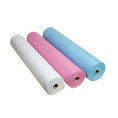
In the world of packaging, the choice of materials can significantly impact the protection and preservation of products. Hydrophilic non woven fabric has emerged as a versatile and effective solution for safeguarding packaged items. As a leading supplier of Hydrophilic Non Woven Fabric, I am excited to delve into the various ways this remarkable material protects packaged products.
Understanding Hydrophilic Non Woven Fabric
Before exploring its protective capabilities, it's essential to understand what hydrophilic non woven fabric is. Non woven fabrics are manufactured by bonding or interlocking fibers through mechanical, thermal, or chemical processes, rather than weaving or knitting. Hydrophilic non woven fabric, in particular, has been treated to have an affinity for water. This means it can absorb and retain moisture, which is a crucial property for many packaging applications.
Moisture Management
One of the primary ways hydrophilic non woven fabric protects packaged products is through effective moisture management. Excess moisture can lead to a range of problems, including mold growth, corrosion, and degradation of the product itself. Hydrophilic non woven fabric acts as a moisture absorber, drawing in and holding water vapor from the surrounding environment.
For example, in the food industry, hydrophilic non woven fabric can be used to line packaging for fresh produce. Fruits and vegetables release moisture as they respire, and if this moisture is not managed, it can create a humid environment inside the package, promoting the growth of mold and bacteria. By using hydrophilic non woven fabric, the excess moisture is absorbed, helping to keep the produce fresh for longer periods.
Similarly, in the electronics industry, moisture can cause damage to sensitive components. Hydrophilic non woven fabric can be incorporated into electronic packaging to prevent moisture from reaching the devices, reducing the risk of corrosion and electrical malfunctions.
Protection Against Contamination
Hydrophilic non woven fabric also provides a barrier against contamination. The fabric's dense structure can prevent the entry of dust, dirt, and other particles, keeping the packaged products clean and free from damage.
In the pharmaceutical and medical industries, where sterility is of utmost importance, hydrophilic non woven fabric is commonly used in packaging for drugs, medical devices, and surgical supplies. The fabric helps to maintain a clean environment inside the package, protecting the products from microbial contamination and ensuring their safety and efficacy.
In addition, hydrophilic non woven fabric can be treated with antimicrobial agents to further enhance its protective properties. These agents can inhibit the growth of bacteria, fungi, and other microorganisms, providing an extra layer of protection for the packaged products.
Cushioning and Shock Absorption
Another way hydrophilic non woven fabric protects packaged products is by providing cushioning and shock absorption. The fabric's soft and flexible nature allows it to conform to the shape of the product, providing a protective layer that helps to prevent damage from impacts and vibrations during transportation and handling.
For example, in the packaging of fragile items such as glassware, ceramics, and electronics, hydrophilic non woven fabric can be used as a cushioning material. The fabric absorbs the energy from impacts, reducing the risk of breakage and damage to the products.


Chemical Resistance
Hydrophilic non woven fabric can also offer protection against certain chemicals. Depending on the specific treatment and composition of the fabric, it can be resistant to a variety of substances, including acids, alkalis, and solvents.
In the chemical industry, hydrophilic non woven fabric can be used in packaging for chemicals and hazardous materials. The fabric helps to contain the substances and prevent leakage, protecting the environment and ensuring the safety of the handlers.
Breathability
Despite its ability to absorb moisture, hydrophilic non woven fabric also offers breathability. This means that air can pass through the fabric, allowing for proper ventilation inside the package.
In applications where the packaged products need to "breathe," such as in the packaging of plants or some types of food, breathability is essential. Hydrophilic non woven fabric allows for the exchange of gases, preventing the build-up of carbon dioxide and maintaining a healthy environment for the products.
Customization and Versatility
As a supplier of hydrophilic non woven fabric, I understand the importance of customization. We offer a wide range of options in terms of fabric weight, thickness, color, and texture, allowing our customers to choose the most suitable material for their specific packaging needs.
Whether it's a small, delicate item or a large, heavy product, hydrophilic non woven fabric can be tailored to provide the optimal level of protection. We can also incorporate additional features, such as anti-static properties or UV resistance, to meet the unique requirements of different industries and applications.
Compatibility with Other Packaging Materials
Hydrophilic non woven fabric can be easily combined with other packaging materials to enhance its protective capabilities. For example, it can be laminated to plastic films or paperboard to create a composite packaging material that offers the benefits of both materials.
This compatibility allows for greater flexibility in packaging design, enabling manufacturers to create innovative and effective packaging solutions that meet the specific needs of their products.
Cost-Effectiveness
In addition to its many protective benefits, hydrophilic non woven fabric is also a cost-effective packaging solution. The fabric is relatively inexpensive to produce, and its durability means that it can be used multiple times in some applications, reducing the overall cost of packaging.
Furthermore, by protecting the products from damage and contamination, hydrophilic non woven fabric can help to reduce the costs associated with product returns, replacements, and quality control issues.
Conclusion
Hydrophilic non woven fabric is a versatile and effective packaging material that offers a range of protective benefits. From moisture management and contamination prevention to cushioning and chemical resistance, the fabric plays a crucial role in safeguarding packaged products across various industries.
As a supplier of Hydrophilic Non Woven Fabric, we are committed to providing high-quality products that meet the specific needs of our customers. Our White Color SMS Nonwoven Fabric and SS Non Woven Fabric are just some of the options available to help you protect your products effectively.
If you are interested in learning more about how hydrophilic non woven fabric can benefit your packaging applications, or if you would like to discuss your specific requirements, please feel free to contact us. We look forward to working with you to find the best packaging solutions for your products.
References
- "Nonwoven Fabrics: Structure, Properties, and Applications" by David J. Vaughn
- "Packaging Technology and Science" by Wilmer A. Jenkins and James P. Harrington
- "Handbook of Nonwovens" edited by S. Kumar and X. Wang