


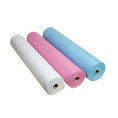


In the world of cap manufacturing, the choice of material is a critical decision that can significantly impact the quality, functionality, and appeal of the final product. Among the various materials available, non-woven fabric has emerged as a popular choice for cap production. As a supplier of non-woven fabric for caps, I have witnessed firsthand the numerous advantages that this material offers. In this blog post, I will explore the benefits of using non-woven fabric for caps and why it has become a preferred option for many cap manufacturers.
Lightweight and Comfortable
One of the primary advantages of non-woven fabric for caps is its lightweight nature. Non-woven fabrics are typically made from synthetic fibers that are bonded together using heat, chemicals, or mechanical processes. This results in a fabric that is much lighter than traditional woven fabrics, making it ideal for caps that need to be worn for extended periods. The lightweight nature of non-woven fabric also reduces the strain on the wearer's head, making it more comfortable to wear.


In addition to being lightweight, non-woven fabric is also soft and breathable. The fibers used in non-woven fabric are often designed to allow air to circulate freely, which helps to keep the wearer's head cool and dry. This is especially important for caps that are worn in hot or humid environments, as it can prevent discomfort and irritation.
Durable and Long-Lasting
Another significant advantage of non-woven fabric for caps is its durability. Non-woven fabrics are designed to be strong and resistant to tearing, abrasion, and other forms of damage. This makes them ideal for caps that are subjected to regular wear and tear, such as those worn by athletes, construction workers, or outdoor enthusiasts.
Non-woven fabric is also resistant to moisture, which helps to prevent the growth of mold and mildew. This is particularly important for caps that are worn in wet or humid conditions, as it can help to extend the lifespan of the cap. Additionally, non-woven fabric is often treated with anti-static agents, which helps to prevent the build-up of static electricity and reduce the risk of attracting dust and dirt.
Versatile and Customizable
Non-woven fabric is a highly versatile material that can be used to create a wide range of cap styles and designs. It can be easily cut, shaped, and sewn, allowing for the creation of caps with unique shapes and sizes. Non-woven fabric can also be printed with a variety of colors, patterns, and logos, making it ideal for creating customized caps for businesses, organizations, or events.
In addition to its versatility, non-woven fabric is also available in a range of thicknesses and weights, allowing for the creation of caps with different levels of insulation and protection. For example, a lightweight non-woven fabric may be used for a summer cap, while a heavier non-woven fabric may be used for a winter cap.
Cost-Effective
Non-woven fabric is a cost-effective material that offers a high level of performance and durability at a relatively low cost. Compared to traditional woven fabrics, non-woven fabric is often less expensive to produce, which can result in significant cost savings for cap manufacturers. Additionally, the lightweight nature of non-woven fabric means that it requires less material to produce a cap, further reducing costs.
In addition to its cost-effectiveness, non-woven fabric is also easy to maintain. It can be machine washed and dried, making it convenient for the wearer to keep their cap clean and fresh. This is especially important for caps that are worn frequently or in dirty environments.
Environmentally Friendly
Non-woven fabric is an environmentally friendly material that is made from synthetic fibers that are often recyclable. Unlike traditional woven fabrics, non-woven fabric does not require the use of dyes or chemicals during the manufacturing process, which can reduce the environmental impact of cap production. Additionally, non-woven fabric is often biodegradable, which means that it can break down naturally over time and reduce the amount of waste in landfills.
As a supplier of non-woven fabric for caps, we are committed to sustainability and environmental responsibility. We use only high-quality, recyclable materials in our manufacturing process and strive to minimize our environmental impact. By choosing non-woven fabric for your caps, you can not only enjoy the many benefits of this material but also contribute to a more sustainable future.
Other Applications of Non-Woven Fabric
Non-woven fabric has a wide range of applications beyond cap manufacturing. For example, it is commonly used in Non Woven Fabric For Beauty Salons due to its softness, absorbency, and disposable nature. Non-woven fabric is also used in the production of Banana Fruit Protective Bag Nonwoven, providing a protective barrier for the fruit and helping to extend its shelf life. Additionally, Non Woven Tree Wrapping Tape is used to protect trees from damage and promote healthy growth.
Conclusion
In conclusion, non-woven fabric offers numerous advantages for cap manufacturing. Its lightweight, comfortable, durable, versatile, cost-effective, and environmentally friendly nature make it an ideal choice for caps that need to be worn for extended periods, subjected to regular wear and tear, or customized to meet specific needs. As a supplier of non-woven fabric for caps, we are dedicated to providing high-quality materials that meet the needs of our customers. If you are interested in learning more about our non-woven fabric products or would like to discuss your cap manufacturing needs, please feel free to contact us. We look forward to working with you to create the perfect caps for your business or organization.
References
- ASTM International. (2023). Standard Terminology for Nonwoven Fabrics. ASTM D1117-19.
- Mather, R. L., & Wardman, J. (2009). Engineering Textiles. Woodhead Publishing.
- Rajendran, S., & Elayaperumal, A. (2018). Nonwoven Textiles: Technology, Applications and Performance. Elsevier.