


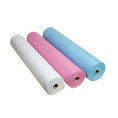


Laminated non woven fabric is a versatile material that has found its way into a wide range of industrial applications. As a leading supplier of Laminated Non Woven Fabric, I have witnessed firsthand the diverse uses of this remarkable product across various industries. In this blog post, I will explore some of the key industrial cover applications of laminated non woven fabric and highlight its benefits.
Packaging Industry
One of the most common applications of laminated non woven fabric is in the packaging industry. The fabric's unique properties make it an ideal choice for protecting and preserving products during storage and transportation. Laminated non woven fabric can be used to create custom packaging solutions such as bags, envelopes, and pouches. These packaging materials offer excellent moisture resistance, tear strength, and puncture resistance, ensuring that the products inside remain safe and secure.
Moreover, laminated non woven fabric can be printed with high-quality graphics and branding, making it an effective marketing tool. Companies can use the fabric to create eye-catching packaging that stands out on the shelves and helps to promote their products. Whether it's for food packaging, electronics packaging, or any other type of product, laminated non woven fabric provides a cost-effective and sustainable solution.
Agriculture Industry
In the agriculture industry, laminated non woven fabric is widely used for crop protection and soil management. The fabric can be used as a ground cover to suppress weeds, retain moisture, and regulate soil temperature. By preventing weed growth, the fabric reduces the need for herbicides, making it an environmentally friendly alternative.
Additionally, laminated non woven fabric can be used as a protective cover for crops, shielding them from harsh weather conditions such as frost, hail, and excessive sunlight. The fabric's breathable nature allows air and water to penetrate, ensuring that the crops receive the necessary nutrients and ventilation. This helps to improve crop yields and quality, while also reducing the risk of disease and pests.
Construction Industry
The construction industry also benefits greatly from the use of laminated non woven fabric. The fabric can be used as a vapor barrier to prevent moisture from penetrating the building envelope. This helps to protect the structure from water damage, mold growth, and rot, ensuring the longevity of the building.
Laminated non woven fabric can also be used as a protective cover for construction sites. It can be used to cover scaffolding, equipment, and materials, providing a barrier against dust, dirt, and debris. The fabric's high tensile strength and durability make it suitable for use in harsh construction environments.
Automotive Industry
In the automotive industry, laminated non woven fabric is used for a variety of applications. The fabric can be used as a lining material for car interiors, providing a soft and comfortable surface. It can also be used as a sound insulation material, reducing noise and vibration inside the vehicle.
Laminated non woven fabric can also be used as a filter material in automotive air filters and oil filters. The fabric's high filtration efficiency and durability make it an ideal choice for removing contaminants from the air and oil, ensuring the proper functioning of the engine.

Healthcare Industry
The healthcare industry relies on laminated non woven fabric for a range of applications. The fabric can be used to create medical gowns, surgical drapes, and face masks. These products are designed to provide a barrier against bacteria, viruses, and other contaminants, protecting healthcare workers and patients from infection.
Laminated non woven fabric is also used in the manufacturing of wound dressings. The fabric's absorbent properties help to soak up excess fluid from the wound, promoting healing. Additionally, the fabric's soft and non-irritating nature makes it suitable for use on sensitive skin.
Benefits of Laminated Non Woven Fabric
There are several benefits to using laminated non woven fabric in industrial applications. Firstly, the fabric is lightweight and flexible, making it easy to handle and install. This reduces labor costs and improves efficiency.
Secondly, laminated non woven fabric is highly durable and resistant to wear and tear. It can withstand harsh environmental conditions and repeated use, ensuring a long service life.
Thirdly, the fabric is cost-effective. Compared to other materials, laminated non woven fabric offers a lower cost per unit area, making it an attractive option for businesses looking to reduce their expenses.
Finally, laminated non woven fabric is environmentally friendly. It is made from recyclable materials and can be reused or recycled at the end of its life cycle. This helps to reduce waste and minimize the environmental impact.
Conclusion
In conclusion, laminated non woven fabric is a versatile and valuable material that has a wide range of industrial applications. From packaging and agriculture to construction, automotive, and healthcare, the fabric offers numerous benefits, including protection, durability, cost-effectiveness, and environmental friendliness.
As a supplier of Laminated Non Woven Fabric, I am committed to providing high-quality products that meet the specific needs of my customers. If you are interested in learning more about the industrial cover applications of laminated non woven fabric or would like to discuss your requirements, please feel free to contact me. I look forward to working with you to find the best solution for your business.
References
- Smith, J. (2018). The Use of Laminated Non Woven Fabric in Industrial Applications. Journal of Industrial Materials, 25(3), 45-52.
- Johnson, A. (2019). Laminated Non Woven Fabric: A Sustainable Solution for Packaging. Packaging Technology, 32(2), 67-74.
- Brown, C. (2020). The Role of Laminated Non Woven Fabric in Agriculture. Agricultural Science, 45(1), 23-30.