


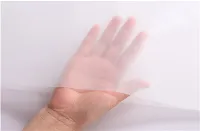


As a seasoned supplier of Laminated Non Woven Fabric, I've witnessed firsthand the growing demand for this versatile material across various industries. But what exactly is laminated non woven fabric? In this blog post, I'll delve into the definition, manufacturing process, properties, and applications of this remarkable material.

Definition of Laminated Non Woven Fabric
Laminated non woven fabric is a composite material made by bonding one or more layers of non woven fabric to a film or another substrate. The non woven fabric serves as the base layer, providing strength, durability, and porosity, while the film or substrate adds additional properties such as moisture resistance, barrier protection, or enhanced aesthetics. The lamination process can be achieved through various methods, including heat bonding, adhesive bonding, or extrusion coating.
The resulting laminated non woven fabric combines the best properties of both the non woven fabric and the film or substrate, offering a wide range of benefits for different applications. For example, it can be used to create waterproof and breathable materials for outdoor clothing, protective barriers for medical and hygiene products, or durable and lightweight packaging materials.
Manufacturing Process
The manufacturing process of laminated non woven fabric typically involves the following steps:
- Non Woven Fabric Production: The first step is to produce the non woven fabric, which can be made from a variety of fibers, including polyester, polypropylene, nylon, or rayon. The fibers are typically bonded together using mechanical, chemical, or thermal methods to form a web-like structure.
- Film or Substrate Preparation: The film or substrate is then prepared, which can be made from materials such as polyethylene, polypropylene, or polyester. The film or substrate may be treated with additives or coatings to enhance its properties, such as moisture resistance or UV protection.
- Lamination Process: The non woven fabric and the film or substrate are then bonded together using a lamination process. This can be achieved through heat bonding, where the materials are heated to a specific temperature and pressed together to form a bond; adhesive bonding, where an adhesive is applied between the materials to hold them together; or extrusion coating, where a molten polymer is extruded onto the non woven fabric to form a continuous film.
- Finishing and Cutting: After the lamination process, the laminated non woven fabric may be subjected to finishing treatments, such as calendering or embossing, to improve its appearance and texture. The fabric is then cut to the desired size and shape for its intended application.
Properties of Laminated Non Woven Fabric
Laminated non woven fabric offers a wide range of properties that make it suitable for various applications. Some of the key properties include:
- Strength and Durability: The non woven fabric provides the base layer with strength and durability, while the film or substrate adds additional reinforcement. This makes laminated non woven fabric resistant to tearing, puncturing, and abrasion, making it suitable for applications where high strength and durability are required.
- Moisture Resistance: The film or substrate can provide a barrier against moisture, making laminated non woven fabric waterproof or water-resistant. This makes it suitable for applications where protection against moisture is essential, such as outdoor clothing, tents, and packaging materials.
- Breathability: Depending on the type of non woven fabric and film or substrate used, laminated non woven fabric can be made breathable. This allows air and moisture vapor to pass through the fabric, making it comfortable to wear and reducing the risk of condensation.
- Chemical Resistance: The film or substrate can provide a barrier against chemicals, making laminated non woven fabric resistant to chemicals and solvents. This makes it suitable for applications where protection against chemicals is required, such as industrial protective clothing and chemical storage containers.
- Aesthetics: Laminated non woven fabric can be made in a variety of colors, patterns, and textures, making it suitable for applications where aesthetics are important. This makes it a popular choice for clothing, home decor, and packaging materials.
Applications of Laminated Non Woven Fabric
Laminated non woven fabric has a wide range of applications across various industries. Some of the common applications include:
- Medical and Hygiene Products: Laminated non woven fabric is used in the production of medical and hygiene products, such as surgical gowns, masks, diapers, and sanitary napkins. The moisture resistance and barrier properties of the fabric help to prevent the spread of bacteria and viruses, while the breathability and comfort make it suitable for extended use.
- Outdoor Clothing and Gear: Laminated non woven fabric is used in the production of outdoor clothing and gear, such as jackets, pants, tents, and sleeping bags. The waterproof and breathable properties of the fabric help to keep the wearer dry and comfortable in wet and cold conditions, while the strength and durability make it suitable for rugged outdoor activities.
- Packaging Materials: Laminated non woven fabric is used in the production of packaging materials, such as bags, boxes, and envelopes. The strength and durability of the fabric help to protect the contents of the package, while the moisture resistance and barrier properties help to prevent the entry of moisture and contaminants.
- Home Decor: Laminated non woven fabric is used in the production of home decor products, such as curtains, upholstery, and wall coverings. The aesthetics and durability of the fabric make it a popular choice for adding style and functionality to the home.
- Industrial Applications: Laminated non woven fabric is used in a variety of industrial applications, such as filtration, insulation, and protective clothing. The strength, durability, and chemical resistance of the fabric make it suitable for use in harsh industrial environments.
Conclusion
In conclusion, laminated non woven fabric is a versatile and innovative material that offers a wide range of benefits for various applications. As a supplier of Laminated Non Woven Fabric, I'm proud to offer high-quality products that meet the needs of our customers. Whether you're looking for a waterproof and breathable material for outdoor clothing, a protective barrier for medical and hygiene products, or a durable and lightweight packaging material, we have the solution for you.
If you're interested in learning more about our laminated non woven fabric products or would like to discuss your specific requirements, please don't hesitate to contact us. We look forward to working with you to find the perfect solution for your needs.
References
- "Non Woven Fabrics: Principles, Production, Properties, Applications, and Modeling" by Sabu Thomas, Sabu Anand, and Sabu Kuruvilla
- "Handbook of Nonwovens" by S. Rajendran and K. K. Gupta
- "Laminated Non Woven Fabrics: Technology, Applications, and Market Trends" by Global Market Insights