


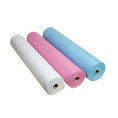


What is the static electricity generation of PE laminated paper?
As a supplier of PE laminated paper, I often encounter various inquiries from customers. One question that has come up frequently is about the static electricity generation of PE laminated paper. In this blog, I'll delve into the details of what causes static electricity in PE laminated paper, its implications, and how we can manage it.
Understanding PE Laminated Paper
PE laminated paper is a composite material that combines the properties of paper and polyethylene (PE). The paper provides the base structure, offering characteristics such as printability, flexibility, and tear resistance, while the PE layer adds moisture resistance, durability, and a smooth surface finish. Our company offers a wide range of PE laminated paper products, including Wood Pulp PE Laminated Paper, PE Laminated Paper For Dental Paper Scarf, and Green PE Laminated Tissue Paper.
Causes of Static Electricity Generation in PE Laminated Paper
Static electricity is the result of an imbalance of electric charges within or on the surface of a material. In the case of PE laminated paper, several factors contribute to the generation of static electricity:


Friction: When two materials rub against each other, electrons can be transferred from one material to the other. During the manufacturing process of PE laminated paper, the paper and the PE film may experience friction as they are laminated together. Additionally, when the finished PE laminated paper is unwound, cut, or transported, friction with other surfaces can also lead to the generation of static electricity.
Separation: As the PE layer is peeled away from the paper or when different layers of the laminated paper are separated, static charges can build up. This is because the separation process can cause an imbalance in the distribution of electrons between the two materials.
Environmental Conditions: Low humidity levels can exacerbate static electricity generation. In dry environments, the air has less moisture to conduct away the static charges, allowing them to accumulate on the surface of the PE laminated paper.
Implications of Static Electricity in PE Laminated Paper
The presence of static electricity in PE laminated paper can have several implications:
Handling and Processing Issues: Static charges can cause the PE laminated paper to stick together, making it difficult to separate individual sheets during handling and processing. This can lead to production delays, increased labor costs, and potential damage to the paper.
Dust and Debris Attraction: Static electricity can attract dust and other small particles to the surface of the PE laminated paper. This can affect the appearance of the final product and may also cause problems in applications where a clean surface is required, such as in the packaging of sensitive electronic components.
Electrostatic Discharge (ESD): In extreme cases, the build - up of static electricity can result in electrostatic discharge. ESD can cause damage to electronic equipment, ignite flammable substances in the surrounding environment, and pose a safety hazard to workers.
Managing Static Electricity in PE Laminated Paper
To mitigate the problems associated with static electricity in PE laminated paper, several strategies can be employed:
Anti - Static Additives: One approach is to incorporate anti - static additives into the PE layer during the manufacturing process. These additives work by reducing the surface resistance of the PE film, allowing static charges to dissipate more easily.
Humidification: Increasing the humidity in the manufacturing and storage environment can help to reduce static electricity generation. By adding moisture to the air, the static charges on the surface of the PE laminated paper can be conducted away more effectively.
Static Eliminators: Static eliminators, such as ionizers, can be used to neutralize the static charges on the surface of the PE laminated paper. Ionizers work by generating a stream of positively and negatively charged ions, which are attracted to the static charges on the paper and neutralize them.
Grounding: Proper grounding of equipment and work surfaces can help to dissipate static charges. By providing a path for the static electricity to flow to the ground, the build - up of charges on the PE laminated paper can be minimized.
Our Company's Approach
As a leading supplier of PE laminated paper, we are committed to providing high - quality products with minimal static electricity issues. Our R & D team is constantly working on improving our manufacturing processes to reduce static electricity generation. We use advanced anti - static additives in our PE laminates and ensure that our manufacturing facilities are equipped with state - of - the - art static elimination equipment.
We also offer customized solutions to meet the specific needs of our customers. Whether you are in the packaging, printing, or medical industries, we can work with you to develop PE laminated paper products that are optimized for your application and have minimal static electricity problems.
Conclusion
Static electricity generation in PE laminated paper is a common issue that can have significant implications for handling, processing, and the quality of the final product. By understanding the causes of static electricity and implementing appropriate management strategies, we can minimize its impact.
If you are interested in learning more about our PE laminated paper products or have any questions regarding static electricity management, please feel free to contact us. We are more than happy to discuss your requirements and provide you with the best solutions for your business.
References
- "Static Electricity in the Packaging Industry: Causes, Effects, and Solutions" - Packaging World Magazine
- "The Physics of Static Electricity" - Physics Today Journal
- "Anti - Static Technologies for Polymer Films" - Polymer Science Review