


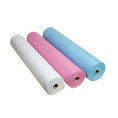


Hey there! As a supplier of Blue PE Laminated Tissue Paper, I often get asked about its texture. So, I thought I'd take a deep dive into this topic and share everything you need to know.
First off, let's break down what Blue PE Laminated Tissue Paper is. It's basically tissue paper that has been laminated with a layer of polyethylene (PE). The blue color gives it a distinct look, which can be great for branding or just adding a pop of color to your products. But the texture is where things get really interesting.
The Feel of Blue PE Laminated Tissue Paper
When you first touch Blue PE Laminated Tissue Paper, you'll notice that it has a smooth and slightly slippery surface. That's thanks to the PE layer. The polyethylene creates a protective barrier that not only gives the paper a shiny finish but also makes it resistant to moisture and grease. It's like having a waterproof and stain - resistant shield on your tissue paper.
On the other hand, the tissue paper part underneath the PE layer retains its softness. Tissue paper is known for its delicate and gentle feel, and that's still very much present in Blue PE Laminated Tissue Paper. So, you get this unique combination of a soft, almost fluffy interior with a smooth, tough exterior.
How the Texture Affects Its Use
The texture of Blue PE Laminated Tissue Paper has a big impact on its practical applications. For starters, because of its moisture - resistant properties, it's perfect for packaging food items. You can use it to wrap sandwiches, pastries, or even fresh produce. The smooth surface also means that it won't stick to the food, making it easy to unwrap and use.
In the retail industry, the blue color and the smooth texture make it an eye - catching choice for gift wrapping. It gives a high - end look to any present, and the soft tissue part still provides a gentle touch. You can also use it for lining boxes or creating decorative elements in displays.
If you're in the hospitality industry, this paper can be used for disposable table settings. Its stain - resistant nature means that it can handle spills and messes easily, and it can be thrown away after use. You can find it in the form of napkins or placemats, adding a touch of color and style to your dining area.
Comparing with Other Types of Laminated Papers
Let's compare Blue PE Laminated Tissue Paper with Wood Pulp PE Laminated Paper. Wood Pulp PE Laminated Paper is often more rigid and has a stronger structure. It's made from wood pulp, which gives it a different density compared to tissue paper. While it's also moisture - resistant, it lacks the softness that Blue PE Laminated Tissue Paper offers. So, if you need a more durable and sturdier option for heavy - duty packaging, Wood Pulp PE Laminated Paper might be a better choice. But if you're looking for something soft and decorative, Blue PE Laminated Tissue Paper wins.
Another comparison can be made with Green PE Laminated Tissue Paper. The texture is very similar in terms of the soft tissue base and the smooth PE layer. The main difference is the color. Green might be more suitable for nature - themed products or eco - friendly branding, while blue can be used for a variety of purposes, from corporate branding to nautical themes.
Production Process and Texture
The production process of Blue PE Laminated Tissue Paper also plays a role in its texture. First, the tissue paper is manufactured using traditional papermaking techniques. Then, a thin layer of polyethylene is applied to one or both sides of the tissue paper. This can be done through extrusion lamination, where the PE is melted and then pressed onto the paper.
The quality of the lamination process affects how well the PE adheres to the tissue paper. A good lamination will result in a smooth, even surface with no air bubbles or wrinkles. If the lamination is done poorly, you might end up with an uneven texture, which can affect both the look and the functionality of the paper.
Texture and Environmental Considerations
As a supplier, I'm also conscious of the environmental impact of our products. Blue PE Laminated Tissue Paper, like other PE - laminated papers, has some environmental challenges. Polyethylene is a type of plastic, and plastics are known for their long degradation time.
However, there are ways to make it more eco - friendly. Some manufacturers are now using biodegradable or recyclable PE materials. The tissue paper part is usually made from wood pulp, which can be sourced from sustainably managed forests. So, when choosing Blue PE Laminated Tissue Paper, it's important to look for products that are more environmentally responsible.


The Texture in Different Thicknesses
Blue PE Laminated Tissue Paper comes in different thicknesses, and the texture can vary accordingly. Thinner versions are extremely lightweight and have a more delicate feel. They're great for applications where you need a soft and flexible material, like for wrapping small jewelry items or creating fine decorative accents.
Thicker Blue PE Laminated Tissue Paper, on the other hand, is more robust. It can hold its shape better and is suitable for heavier - duty packaging. For example, if you're packaging large or bulky items, a thicker paper will provide more protection.
Conclusion and Call to Action
In conclusion, the texture of Blue PE Laminated Tissue Paper is a unique blend of softness and toughness. Its smooth, moisture - resistant exterior combined with a soft tissue interior makes it a versatile material for a wide range of applications. Whether you're in the food industry, retail, hospitality, or any other field, there's a good chance that Blue PE Laminated Tissue Paper can meet your needs.
If you're interested in learning more about our Blue PE Laminated Tissue Paper or want to discuss a potential purchase, don't hesitate to reach out. We're always happy to talk about our products and help you find the right solution for your business. And if you're looking for other related products, check out Wood Pulp PE Laminated Paper, Green PE Laminated Tissue Paper, and Disposable PE Laminated Paper Products.
References
- "Handbook of Paper and Paperboard Packaging Technology"
- "Plastic Laminates: Properties and Applications"