

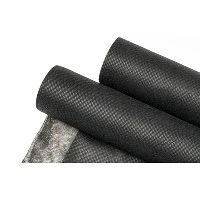

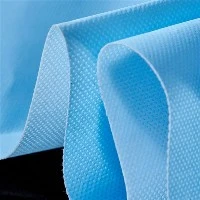

Agricultural protection products help growers manage changing weather conditions, protect crops, and support plant development. PP spunbond nonwoven fabric is used in selected agricultural applications because it is lightweight, flexible, and can be manufactured in different weights and widths to suit specific growing conditions.
Supporting Crop Growth While Providing Physical Protection
PP spunbond nonwoven can be used as a crop cover to help protect plants from wind, insects, and certain environmental stresses. When the appropriate fabric weight and structure are selected, the material can allow air and moisture vapor to pass through while providing a physical covering over crops.
Its actual performance depends on fabric construction, opening characteristics, installation methods, and local climate conditions.
Applications in Modern Agriculture
PP spunbond nonwoven fabric can be converted into several agricultural products, including:
Crop protection covers: Used to cover vegetables and other crops during vulnerable growth stages.
Plant nursery covers: Help protect young plants in nurseries and propagation areas.
Row covers: Placed over crop rows to provide a physical barrier against selected pests and environmental exposure.
Plant protection wraps: Used around selected plants and shrubs to reduce exposure to wind and cold.
Agricultural bags and liners: Used in specific growing, handling, and storage applications where the fabric's properties meet the requirements.
Different applications require different levels of strength, air permeability, light transmission, and weather resistance.
What Should Agricultural Buyers Consider?
When sourcing agricultural PP spunbond nonwoven, buyers should evaluate several factors:
Light transmission: Ensure sufficient light reaches the crops.
Air and moisture vapor permeability: Consider ventilation and the local growing environment.
Tensile and tear strength: Check suitability for installation and field handling.
UV resistance: Determine whether UV stabilization is needed for outdoor exposure.
Fabric width and roll length: Match specifications to covering equipment and installation methods.
Service life: Select a fabric structure appropriate for temporary or longer-term use.
UV stabilization is particularly important for outdoor applications because untreated polypropylene can degrade under prolonged sunlight exposure.