

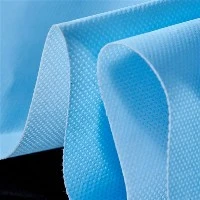

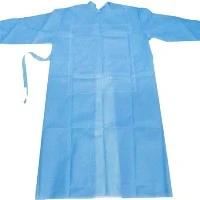
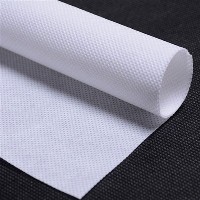
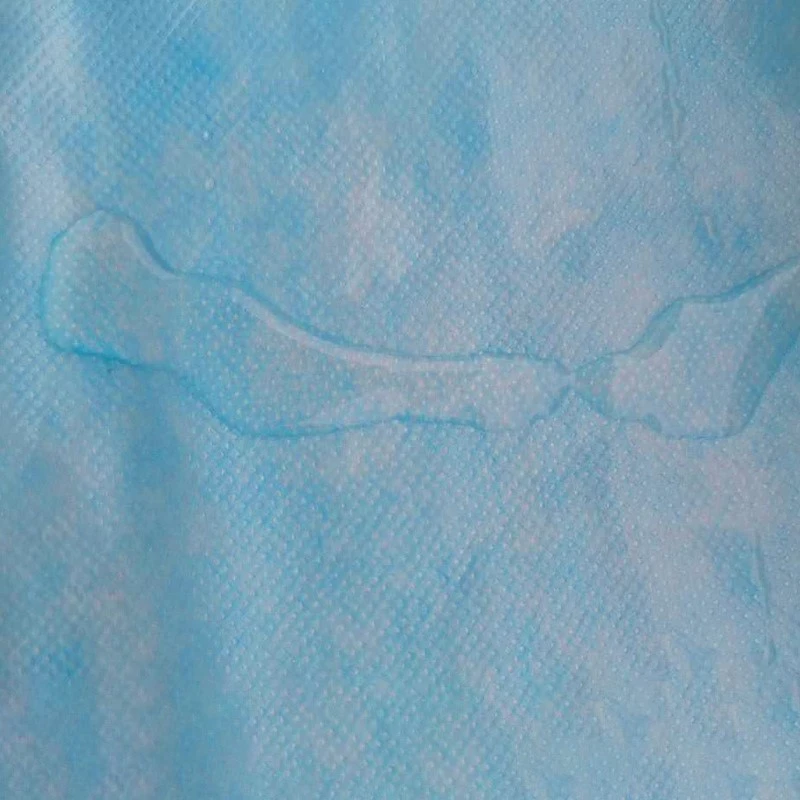
PE laminated nonwoven fabric combines the flexibility of nonwoven material with the waterproof properties of a polyethylene (PE) film. This composite structure makes it suitable for applications where moisture resistance, lightweight construction, and material durability are important.
But why do manufacturers choose PE laminated nonwoven for waterproof products?
1. Reliable Waterproof Performance
The PE film layer acts as a barrier against liquid water, helping prevent moisture from penetrating the fabric. This makes PE laminated nonwoven a practical material for products that require waterproof or moisture-resistant protection.
Depending on the film structure, lamination quality, and final product design, it can be used in protective covers, packaging materials, hygiene products, and selected construction applications.
2. Lightweight and Flexible
Compared with many traditional waterproof materials, PE laminated nonwoven can offer a lightweight and flexible solution. Its nonwoven base provides a soft texture and convenient handling, while the PE film adds a functional barrier layer.
This combination is useful for manufacturers looking to develop disposable products that are easy to process, fold, package, and transport.
3. Multiple Applications
PE laminated nonwoven is used in a variety of industries, including:
Medical and healthcare: Selected disposable protective covers and barrier products.
Hygiene products: Moisture-resistant layers in certain disposable hygiene products.
Packaging: Protective wrapping and moisture-resistant packaging materials.
Agriculture: Selected plant protection and ground-cover products.
Construction: Moisture-control layers and protective materials, depending on the required specifications.
The appropriate material structure should be selected according to the intended application and required performance.
4. Customizable Fabric Specifications
Different applications require different material properties. PE laminated nonwoven can be customized according to the base fabric, fabric weight, PE film thickness, color, width, and lamination method.
For buyers, selecting the right combination of nonwoven GSM and film thickness is important for balancing waterproof performance, flexibility, strength, and overall material cost.
When evaluating a supplier, buyers should also consider lamination adhesion, pinhole defects, water resistance, and consistency between production batches.
5. A Practical Solution for Product Manufacturers
For manufacturers of disposable protective products, packaging materials, and moisture-resistant components, PE laminated nonwoven offers a versatile material solution. Combining a nonwoven substrate with a PE film can provide useful barrier properties without requiring a fully plastic-based construction.
However, waterproof performance depends on the complete laminated structure, not simply on the presence of a PE film. Buyers should confirm the required liquid resistance and testing standards before selecting a material for critical applications.
How to Choose the Right PE Laminated Nonwoven?
Before placing an order, buyers should clarify the following requirements:
Intended end-use and required level of water resistance
Base nonwoven type and GSM
PE film thickness and material specifications
Lamination strength and surface characteristics
Required roll width, color, and roll length
Applicable product testing and compliance requirements
Choosing the right PE laminated nonwoven helps manufacturers achieve the desired balance of moisture protection, flexibility, durability, and cost efficiency.