

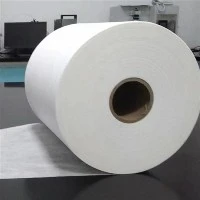
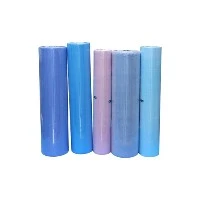
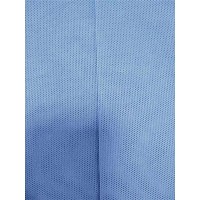
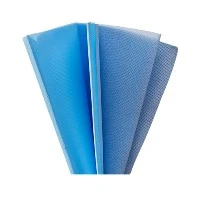
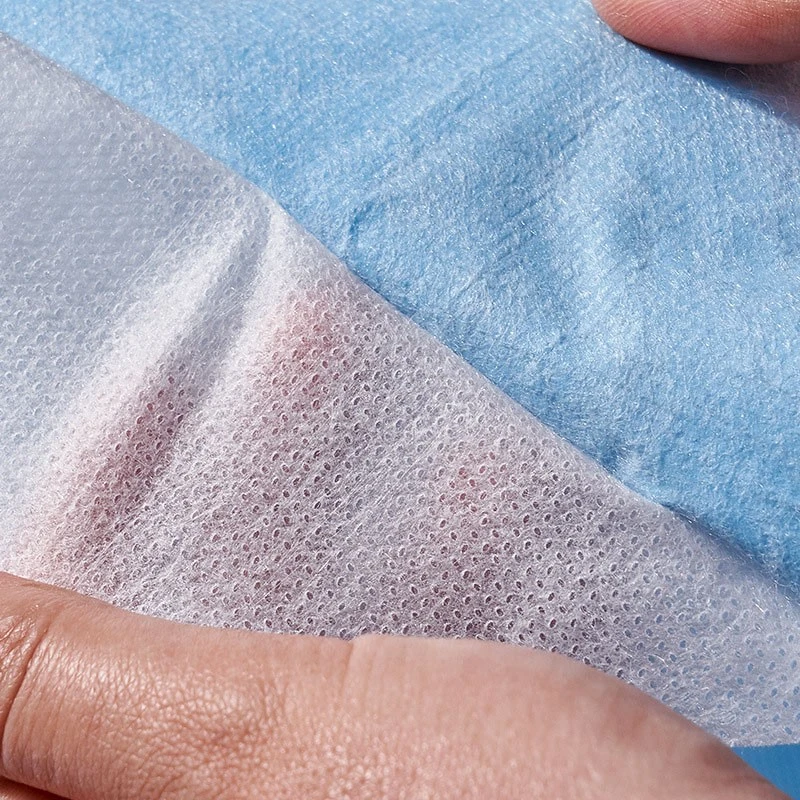
With the growing demand for high-performance nonwoven materials in hygiene and medical industries, hydrophilic composite nonwoven fabric has become an increasingly important material for various disposable products.
By combining hydrophilic polypropylene (PP) spunbond nonwoven fabric with other functional materials, manufacturers can develop composite structures with improved liquid management, softness, strength, and application versatility.
But what makes hydrophilic composite nonwoven fabric a preferred choice for hygiene and medical product manufacturers? Let's explore its key advantages.
1. Excellent Hydrophilic Performance
One of the most important advantages of hydrophilic composite nonwoven fabric is its ability to absorb and spread liquid across the fabric surface.
Unlike untreated hydrophobic PP nonwoven fabric, hydrophilic nonwoven fabric is specially treated to improve its wettability, allowing liquids to penetrate and spread more easily.
This property is particularly useful in applications where rapid liquid distribution and effective fluid management are required.
2. Improved Liquid Distribution
Hydrophilic composite nonwoven fabric can help distribute liquids more evenly across the material, depending on its fiber structure and composite design.
This feature makes it suitable for disposable hygiene products that require efficient liquid transfer and surface wetting.
By selecting appropriate materials and composite structures, manufacturers can optimize liquid distribution for different end-use requirements.
3. Softness and Skin-Friendly Properties
Softness is another important consideration for disposable hygiene products.
PP spunbond nonwoven fabric offers a lightweight and soft structure. Combined with hydrophilic treatment and suitable composite materials, it can provide a comfortable surface for products designed for skin contact.
This makes it a practical material for baby care, feminine hygiene, and adult incontinence products.
4. Versatile Composite Structures
Hydrophilic composite nonwoven fabric can be manufactured using different material combinations to achieve specific product requirements.
Common structures may include:
- Hydrophilic PP spunbond nonwoven fabric
- Hydrophilic SS nonwoven fabric
- Hydrophilic SMS nonwoven fabric
- PP nonwoven fabric combined with other functional layers
- Multi-layer composite nonwoven structures
Different structures offer different characteristics in terms of liquid management, softness, strength, and barrier performance.
5. Lightweight and Cost-Effective
PP spunbond nonwoven fabric is widely used in disposable products because of its lightweight structure and manufacturing versatility.
Hydrophilic treatment and composite technology allow manufacturers to develop functional materials while maintaining flexibility in fabric weight and product design.
Different GSM options can be selected according to the performance and cost requirements of specific applications.
6. Wide Applications in Hygiene and Medical Industries
Thanks to its versatile properties, hydrophilic composite nonwoven fabric is suitable for a variety of applications.
Typical applications include:
Hygiene Products**
- Baby diapers
- Sanitary napkins
- Adult incontinence products
- Disposable hygiene pads
- Personal care products
Medical Products**
- Disposable medical underpads
- Medical absorbent products
- Disposable examination covers
- Other products requiring controlled liquid distribution
The appropriate material structure should be selected according to the specific product design and performance requirements.