


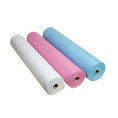
Non woven fabric has become a popular choice for cap manufacturing due to its versatility, durability, and cost - effectiveness. As a supplier of non woven fabric for caps, I often get asked if there are any special treatments for this type of fabric. In this blog post, I'll delve into the various special treatments available for non woven fabric used in caps and how they can enhance the performance and aesthetics of the final product.
Waterproof Treatment
One of the most sought - after special treatments for non woven fabric in caps is waterproofing. Caps are often worn outdoors, and exposure to rain or moisture can quickly ruin the fabric and make the cap uncomfortable to wear. Waterproof treatment involves applying a special coating to the non woven fabric, which creates a barrier that prevents water from penetrating the material.
There are different types of waterproof coatings available. Some are based on polymers that form a thin, flexible film on the surface of the fabric. This film not only repels water but also allows the fabric to breathe, ensuring that the wearer's head doesn't get too hot and sweaty. For example, a cap made from Polypropylene Spunbond Non Woven Fabric with a waterproof treatment can be a great choice for outdoor enthusiasts such as hikers and cyclists.
Flame - Retardant Treatment
In certain industries or environments, flame - retardant caps are essential for safety reasons. Non woven fabric can be treated with flame - retardant chemicals to reduce its flammability. These chemicals work by either forming a char layer on the fabric surface when exposed to fire, which insulates the underlying material and slows down the spread of flames, or by releasing gases that dilute the oxygen around the fire.
Flame - retardant non woven fabric caps are commonly used in industries like construction, welding, and firefighting. A cap made from treated non woven fabric provides an extra layer of protection for workers in these high - risk environments.
Antibacterial and Anti - Odor Treatment
Caps are worn on the head, which can get sweaty, and this creates an ideal environment for bacteria to grow. Bacteria can cause unpleasant odors and even skin infections. To combat this, non woven fabric for caps can be treated with antibacterial agents. These agents inhibit the growth of bacteria on the fabric surface, keeping the cap fresh and odor - free for longer periods.
Anti - odor treatments can also be combined with antibacterial treatments. These treatments often use natural or synthetic substances that neutralize or mask unpleasant odors. For instance, a cap made from non woven fabric with antibacterial and anti - odor treatment is a great option for athletes or people who are on the go all day and don't have time to wash their caps frequently.
UV Protection Treatment
Exposure to ultraviolet (UV) rays can cause damage to the non woven fabric over time, such as fading and weakening of the material. Additionally, UV rays can be harmful to the wearer's scalp. UV protection treatment involves adding UV - blocking agents to the non woven fabric. These agents absorb or reflect UV rays, reducing the amount of UV radiation that reaches the fabric and the wearer's head.
A cap with UV protection treatment is especially useful for people who spend a lot of time outdoors, such as gardeners or beachgoers. The Non Woven Fabric For Planting can also be used in caps with UV protection treatment, as it has good durability and can be easily treated.
Printing and Embossing
Beyond functional treatments, there are also aesthetic treatments for non woven fabric used in caps. Printing and embossing are two popular methods to add visual appeal to the caps. Printing can be done using various techniques such as screen printing, digital printing, or heat transfer printing. These methods allow for the creation of detailed and colorful designs on the non woven fabric.
Embossing, on the other hand, creates a three - dimensional effect on the fabric surface. It can be used to add logos, patterns, or textures to the cap, giving it a more premium and unique look. For example, a cap with an embossed logo made from non woven fabric can be a great promotional item for businesses.
Softening Treatment
Non woven fabric can sometimes feel a bit rough, especially when it comes into direct contact with the skin. Softening treatment can be applied to make the fabric softer and more comfortable to wear. This treatment involves using special softeners that coat the fibers of the non woven fabric, reducing friction between the fibers and making the fabric more pliable.
A cap made from softened non woven fabric is more likely to be worn for long periods without causing discomfort. It is a great option for everyday use, whether it's for a casual outing or for work.
Oil - Repellent Treatment
In some industrial settings or for people who work with oily substances, an oil - repellent treatment for non woven fabric caps can be very useful. This treatment works in a similar way to the waterproof treatment, creating a barrier that prevents oil from penetrating the fabric.
The Non Woven Fabric For Shopping Bags can also be adapted for caps with oil - repellent treatment, as the fabric has good strength and can withstand the treatment process.


Conclusion
As a supplier of non woven fabric for caps, I understand the importance of offering a wide range of special treatments to meet the diverse needs of our customers. Whether it's for functional purposes such as waterproofing or flame - retardancy, or for aesthetic reasons like printing and embossing, these treatments can significantly enhance the value of the non woven fabric caps.
If you are in the market for non woven fabric for caps and are interested in any of these special treatments, I encourage you to get in touch with me. We can discuss your specific requirements and find the best solution for your cap manufacturing needs.
References
- Textile Chemistry Handbook, 3rd Edition
- Non Woven Fabric Technology and Applications, 2nd Edition
- Safety Standards for Protective Headgear in Various Industries