


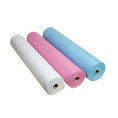


As a supplier of Spunlace Non Woven Fabric, I often encounter questions from customers regarding various aspects of our product. One of the most frequently asked questions is, "Can Spunlace Non Woven Fabric be dyed?" In this blog post, I will delve into this topic, exploring the feasibility, processes, and considerations associated with dyeing Spunlace Non Woven Fabric.
Understanding Spunlace Non Woven Fabric
Before we discuss dyeing, it's essential to understand what Spunlace Non Woven Fabric is. Spunlace technology involves entangling fibers using high - pressure water jets to create a strong and flexible fabric. This fabric is known for its softness, high absorbency, and excellent strength. It finds a wide range of applications, from Spunlace Fabric For removing makeup to Disposable cleaning spunlaced cloth and White Spunlace Nonwoven Fabric For Wet Wipes.
The fibers used in Spunlace Non Woven Fabric can vary, including natural fibers like cotton and viscose, as well as synthetic fibers such as polyester and polypropylene. The choice of fiber significantly impacts the fabric's dyeability.
Feasibility of Dyeing Spunlace Non Woven Fabric
The short answer is yes, Spunlace Non Woven Fabric can be dyed. However, the ease and success of the dyeing process depend on several factors.
Fiber Type
- Natural Fibers: Natural fibers like cotton and viscose have excellent dyeability. They have a high affinity for dyes, which means they can absorb and retain color well. The porous structure of these fibers allows dyes to penetrate easily, resulting in vibrant and long - lasting colors. For example, cotton - based Spunlace Non Woven Fabric can be dyed using a variety of dye types, including reactive dyes, which form a chemical bond with the fiber molecules, ensuring colorfastness.
- Synthetic Fibers: Synthetic fibers such as polyester and polypropylene are more challenging to dye. Polyester requires disperse dyes, which are specifically designed for synthetic materials. These dyes need to be applied at high temperatures and pressures to ensure proper penetration into the fiber. Polypropylene, on the other hand, is notoriously difficult to dye because it has a non - polar structure that does not readily accept dyes. Specialized dyeing techniques and additives may be required to achieve satisfactory results with polypropylene Spunlace Non Woven Fabric.
Fabric Structure
The density and thickness of the Spunlace Non Woven Fabric also play a role in dyeing. A thicker fabric may require more dye and a longer dyeing time to ensure even color penetration. Additionally, the entanglement of fibers in the Spunlace process can affect how the dye spreads throughout the fabric. A more densely entangled fabric may present more barriers to dye diffusion, potentially leading to uneven coloring if not properly addressed during the dyeing process.
Dyeing Processes for Spunlace Non Woven Fabric
There are several dyeing processes that can be used for Spunlace Non Woven Fabric, each with its own advantages and limitations.
Exhaust Dyeing
Exhaust dyeing is a common method used for dyeing Spunlace Non Woven Fabric, especially for natural fibers. In this process, the fabric is immersed in a dye bath containing the dye and various chemicals such as salt and alkali. The dye is gradually absorbed by the fabric as the temperature and pH of the bath are carefully controlled. The advantage of exhaust dyeing is that it allows for good color penetration and even dyeing. However, it can be time - consuming and requires a relatively large amount of water and dye.
Padding
Padding is another dyeing method suitable for Spunlace Non Woven Fabric. In this process, the fabric is passed through a padder, which squeezes a dye solution onto the fabric. The excess dye is removed by squeezing the fabric between two rollers. After padding, the fabric is usually dried and then subjected to a heat treatment to fix the dye. Padding is a faster and more economical method compared to exhaust dyeing, as it uses less water and dye. However, it may not provide as deep or even a color as exhaust dyeing, especially for thicker fabrics.
Printing
Printing is a technique used to apply patterns or specific designs on Spunlace Non Woven Fabric. There are different types of printing methods, such as screen printing and digital printing. Screen printing involves forcing the dye through a stencil onto the fabric, while digital printing uses inkjet technology to apply the dye directly onto the fabric according to a digital design. Printing allows for greater creativity and customization but may require more specialized equipment and expertise.
Considerations in Dyeing Spunlace Non Woven Fabric
When dyeing Spunlace Non Woven Fabric, several considerations need to be taken into account to ensure the quality and performance of the final product.
Colorfastness
Colorfastness is a crucial factor in dyeing Spunlace Non Woven Fabric. It refers to the ability of the dyed fabric to retain its color when exposed to various conditions such as washing, rubbing, and sunlight. Different dyes and dyeing processes can affect colorfastness. For example, reactive dyes generally provide better colorfastness on natural fibers compared to some other types of dyes. It is important to conduct colorfastness tests on the dyed fabric to ensure it meets the required standards for the intended application.


Environmental Impact
Dyeing processes can have a significant environmental impact, mainly due to the use of water, chemicals, and energy. As a responsible supplier, we are committed to minimizing this impact. We use eco - friendly dyes and optimize our dyeing processes to reduce water consumption and waste generation. For example, we may recycle and reuse dye bath solutions or implement water treatment systems to remove contaminants before discharging the water.
Compatibility with End - Use
The dyed Spunlace Non Woven Fabric must be compatible with its end - use. For example, if the fabric is intended for use in medical or food - contact applications, the dyes used must be non - toxic and meet relevant safety standards. Additionally, the dyeing process should not compromise the fabric's other properties, such as absorbency or strength.
Conclusion
In conclusion, Spunlace Non Woven Fabric can be dyed, but the success of the dyeing process depends on factors such as fiber type, fabric structure, and the chosen dyeing method. By understanding these factors and taking appropriate considerations into account, we can achieve high - quality dyed Spunlace Non Woven Fabric that meets the diverse needs of our customers.
Whether you are looking for dyed Spunlace Non Woven Fabric for makeup removal, cleaning cloths, or wet wipes, we have the expertise and capabilities to provide you with the right product. We are dedicated to delivering excellent quality, customized solutions, and sustainable products. If you are interested in our dyed Spunlace Non Woven Fabric or have any questions, please feel free to contact us for procurement and further discussion.
References
- "Nonwoven Fabric Handbook" by H. - P. Fuchs
- "Dyeing and Finishing of Textiles" by C. M. Carr