


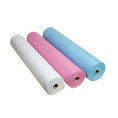


As a supplier of PE Film Laminated PP SS, ensuring the quality and performance of our products is of utmost importance. One critical aspect is the UV resistance of the PE Film Laminated PP SS, which directly impacts its durability and usability in various applications. In this blog post, I'll share some effective methods to test the UV resistance of PE Film Laminated PP SS, offering valuable insights for both manufacturers and end - users.
Understanding the Significance of UV Resistance
Before delving into the testing methods, it's essential to understand why UV resistance matters. PE Film Laminated PP SS is widely used in many outdoor and indoor applications. In outdoor settings, it is constantly exposed to sunlight, which contains ultraviolet (UV) radiation. UV rays can cause degradation of the PE film and PP SS materials over time. This degradation may lead to changes in physical properties such as loss of strength, color fading, and surface cracking. These issues can significantly reduce the product's lifespan and affect its overall performance.
Laboratory Testing Methods
1. Xenon Arc Weathering Test
The xenon arc weathering test is a widely recognized and standardized method for evaluating the UV resistance of materials. In this test, a sample of PE Film Laminated PP SS is placed in a xenon arc weathering chamber. The chamber simulates natural sunlight, including UV, visible, and infrared radiation, as well as rain and humidity conditions.
The xenon arc lamp emits a spectrum of light that closely mimics natural sunlight. By adjusting the intensity of the light, temperature, and humidity in the chamber, we can accelerate the aging process of the sample. Typically, the test runs for a specific period, which can range from hundreds to thousands of hours, depending on the product requirements and industry standards.
During the test, we regularly inspect the sample for any visible changes such as color change, surface cracking, or loss of gloss. We can also measure the physical properties of the sample, such as tensile strength and elongation at break, before and after the test to quantify the degree of degradation.
2. UV Fluorescent Lamp Test
Another common laboratory test is the UV fluorescent lamp test. In this test, the PE Film Laminated PP SS sample is exposed to UV fluorescent lamps that emit a specific range of UV wavelengths. These lamps are designed to reproduce the damaging UV radiation found in sunlight.


The test chamber is maintained at a constant temperature and humidity to create a stable testing environment. Similar to the xenon arc weathering test, the sample is exposed to the UV light for a set period. The advantage of the UV fluorescent lamp test is its relatively low cost and simplicity. However, it should be noted that the spectrum of UV fluorescent lamps may not be as comprehensive as that of natural sunlight, so the results may have some limitations.
Field Testing
In addition to laboratory tests, field testing is also crucial for a comprehensive evaluation of the UV resistance of PE Film Laminated PP SS. Field testing involves exposing the product to real - world outdoor conditions for an extended period.
We can select different geographical locations with varying levels of sunlight intensity, temperature, and humidity to conduct the field tests. For example, a test site in a sunny and dry area like Arizona in the United States will expose the product to high - intensity UV radiation, while a site in a more humid and temperate region will present different environmental challenges.
During the field test, we regularly monitor the product's performance. We record any visible changes and conduct physical property tests at regular intervals. Field testing provides valuable real - world data on how the product will perform over time in actual usage scenarios.
Factors Affecting UV Resistance Testing Results
Several factors can affect the results of UV resistance testing.
1. Material Composition
The type and quality of the PE film and PP SS materials used in the lamination process play a crucial role. Different grades of PE and PP have different inherent UV resistance properties. Additionally, the presence of additives such as UV stabilizers can significantly enhance the UV resistance of the product.
2. Thickness of the Layers
The thickness of the PE film and PP SS layers also affects UV resistance. Generally, thicker layers provide better protection against UV radiation as they can absorb and scatter more of the UV rays.
3. Lamination Process
The quality of the lamination process can impact the overall UV resistance of the product. A well - laminated product will have better adhesion between the PE film and PP SS layers, which can prevent the penetration of UV radiation and subsequent degradation.
Applications of UV - Resistant PE Film Laminated PP SS
PE Film Laminated PP SS with good UV resistance has a wide range of applications.
1. Outdoor Packaging
It can be used for outdoor packaging of products such as agricultural products, construction materials, and industrial goods. The UV - resistant property ensures that the packaging remains intact and protects the contents from environmental damage during long - term outdoor storage.
2. Agricultural Covers
In the agricultural industry, it can be used as covers for greenhouses, nurseries, and crops. The UV resistance helps the covers to withstand the harsh sunlight and maintain their strength and integrity over the growing season.
3. Geotextiles
For geotextile applications, UV - resistant PE Film Laminated PP SS can be used in soil stabilization, erosion control, and landfill liners. It provides long - term protection against UV degradation in outdoor soil environments.
If you are interested in our PE Film Laminated PP SMS, PE Laminated Nonwoven Fabric For Pet Pads, or Pe Film Laminated Nonwoven Fabric, and want to know more about their UV resistance or other product features, please feel free to contact us for procurement and negotiation. We are committed to providing high - quality products and professional service to meet your needs.
References
- ASTM International. Standard Test Methods for Xenon - Arc Exposure of Plastics Intended for Outdoor Applications. ASTM D2565.
- ISO 4892 - 2:2013. Plastics — Methods of exposure to laboratory light sources — Part 2: Xenon - arc lamps.
- SAE International. SAE J2412: Accelerated Exposure of Automotive Interior Trim Components Using a Controlled Irradiance Xenon - Arc Apparatus.