


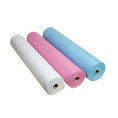


Hey there! As a supplier of hydrophilic non woven fabric, I've been getting a bunch of questions lately about how this stuff ages over time. So, I thought I'd sit down and write a blog post to share what I've learned from our experience and some research.
First off, let's talk about what hydrophilic non woven fabric is. It's a type of non woven fabric that has been treated to have a strong affinity for water. This makes it great for all sorts of applications, like medical products, hygiene products, and even some industrial uses. You can check out our PP Spunbond Nonwoven Fabric on our website, which is a popular option in the market.
Now, when it comes to how this fabric ages, there are a few factors that come into play. One of the biggest factors is the environment where the fabric is stored or used. If the fabric is exposed to high temperatures and humidity for long periods, it can start to break down faster. The moisture in the air can cause the fibers in the fabric to swell and weaken over time. For example, if you store our Non Woven Fabric For Commercial Crops in a damp shed, you might notice that it doesn't last as long as it would in a dry, cool place.
Another factor is exposure to sunlight. UV rays can be really hard on non woven fabrics. They can cause the colors to fade and the fibers to become brittle. If you're using our hydrophilic non woven fabric for something like bouquet packaging non-woven fabric, and it's left out in the sun for too long, the fabric might start to look dull and lose its strength.


Chemical exposure is also a concern. If the fabric comes into contact with harsh chemicals, it can react and degrade. This could happen in an industrial setting where the fabric is used in a process that involves chemicals. Even some household cleaning products can have an impact on the fabric if it's not properly protected.
Over time, these factors can lead to a few different changes in the fabric. The first thing you might notice is a change in its physical properties. The fabric might become less flexible and more stiff. This can make it harder to work with, especially if you're using it for applications that require some degree of flexibility, like in medical bandages.
The strength of the fabric can also decrease. As the fibers break down, the fabric becomes more prone to tearing and ripping. This is a big deal, especially in applications where the fabric needs to hold up under stress, like in some types of filtration systems.
The hydrophilic properties of the fabric can also be affected. If the fabric has been treated to be hydrophilic, the treatment can wear off over time. This means that the fabric might not absorb water as well as it did when it was new. In hygiene products, this could lead to a decrease in performance, as the fabric might not be able to absorb and hold moisture effectively.
So, what can you do to make sure your hydrophilic non woven fabric lasts as long as possible? Well, proper storage is key. Try to keep the fabric in a cool, dry place away from direct sunlight and chemicals. If you're using the fabric in an industrial setting, make sure to follow any safety guidelines regarding chemical exposure.
When it comes to handling the fabric, be gentle. Avoid rough handling that could cause unnecessary stress on the fibers. And if you're using the fabric in a product that will be exposed to the elements, consider adding some sort of protective coating or treatment to help extend its lifespan.
We're always here to help you with any questions you might have about our hydrophilic non woven fabric. Whether you're a small business looking for the right fabric for your products or a large corporation in need of bulk orders, we can provide you with high-quality fabric and advice on how to make the most of it. If you're interested in learning more or starting a purchase, don't hesitate to reach out to us. We'd love to have a chat and see how we can work together to meet your needs.
References
- Textile Research Journal, various issues on non woven fabric aging studies
- Industry reports on the impact of environmental factors on non woven materials