


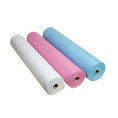


Cleaning pet nonwoven for filtration is a crucial process that not only extends the lifespan of the material but also ensures its optimal performance. As a supplier of Pet Nonwoven for Filtration, I understand the significance of proper cleaning and maintenance. In this blog post, I will share some effective methods and tips on how to clean pet nonwoven for filtration.
Understanding Pet Nonwoven for Filtration
Before delving into the cleaning process, it's essential to understand what pet nonwoven for filtration is and how it works. Pet nonwoven fabric is made from polyester fibers that are bonded together through various processes such as thermal bonding, chemical bonding, or mechanical bonding. This fabric is widely used in filtration applications due to its high strength, good chemical resistance, and excellent filtration efficiency.
In filtration systems, pet nonwoven fabric acts as a barrier that traps particles and contaminants from the fluid or air passing through it. Over time, these particles accumulate on the fabric surface, reducing its filtration efficiency and potentially causing blockages. Therefore, regular cleaning is necessary to maintain the performance of the pet nonwoven for filtration.
Pre - cleaning Assessment
The first step in cleaning pet nonwoven for filtration is to conduct a pre - cleaning assessment. This involves inspecting the fabric to determine the type and level of contamination. Some common types of contaminants include dust, dirt, oil, grease, and chemical residues.
- Visual Inspection: Carefully examine the fabric for visible signs of dirt, discoloration, or blockages. Look for areas where the fabric may be more heavily soiled, such as the inlet side of the filter.
- Flow Rate Test: Measure the flow rate of the fluid or air through the filter before cleaning. A significant decrease in flow rate may indicate a high level of contamination.
Cleaning Methods
Dry Cleaning
Dry cleaning is a suitable method for removing loose dust and dirt particles from pet nonwoven for filtration.
- Vacuuming: Use a vacuum cleaner with a soft brush attachment to gently remove surface dust and debris. Start from one end of the fabric and work your way across, making sure to cover the entire surface. Avoid using high - suction settings, as this may damage the fabric.
- Brushing: A soft - bristle brush can be used to dislodge stubborn dirt particles. Brush the fabric in a gentle, sweeping motion, following the direction of the fibers.
Wet Cleaning
Wet cleaning is more effective for removing oil, grease, and chemical residues. However, it should be done with caution to avoid damaging the fabric.
- Rinsing: Place the pet nonwoven for filtration in a large container filled with clean water. Gently agitate the fabric to loosen the contaminants. Change the water several times until the water runs clear.
- Detergent Cleaning: If the fabric is heavily soiled with oil or grease, you can add a mild detergent to the water. Use a non - abrasive, pH - neutral detergent and follow the manufacturer's instructions for dilution. Immerse the fabric in the detergent solution for a few minutes, then gently agitate it. Rinse thoroughly with clean water to remove all traces of the detergent.
Chemical Cleaning
In some cases, chemical cleaning may be required to remove stubborn contaminants. However, this method should only be used as a last resort, as it can potentially damage the fabric if not done correctly.


- Solvent Cleaning: Select a suitable solvent based on the type of contamination. For example, isopropyl alcohol can be used to remove some types of chemical residues. Immerse the fabric in the solvent for a short period, then rinse it thoroughly with water. Make sure to work in a well - ventilated area when using solvents.
- Acid or Base Cleaning: Acid or base solutions can be used to remove specific types of contaminants, such as mineral deposits. However, these solutions are highly corrosive and should be used with extreme caution. Always wear appropriate protective equipment, such as gloves and goggles, and follow the safety guidelines when handling these chemicals.
Drying the Fabric
After cleaning, it's crucial to dry the pet nonwoven for filtration properly. Improper drying can lead to mold growth and damage the fabric.
- Air Drying: Hang the fabric in a well - ventilated area away from direct sunlight. Allow the fabric to dry naturally, which may take several hours or even days depending on the humidity and fabric thickness.
- Low - Heat Drying: If you need to speed up the drying process, you can use a low - heat setting on a dryer. However, make sure to monitor the fabric closely to prevent overheating and damage.
Post - cleaning Inspection
Once the pet nonwoven for filtration is dry, conduct a post - cleaning inspection.
- Visual Inspection: Check the fabric again for any remaining dirt or discoloration. Make sure the fabric looks clean and free of blockages.
- Flow Rate Test: Measure the flow rate of the fluid or air through the filter again. Compare the post - cleaning flow rate with the pre - cleaning flow rate. A significant improvement in flow rate indicates successful cleaning.
Maintenance Tips
- Regular Inspections: Conduct regular inspections of the pet nonwoven for filtration to detect contamination early. This allows for timely cleaning and prevents more severe blockages.
- Proper Storage: When not in use, store the pet nonwoven for filtration in a clean, dry place. Protect it from dust, moisture, and direct sunlight.
- Follow Manufacturer's Guidelines: Always follow the manufacturer's recommendations for cleaning and maintenance. Different types of pet nonwoven fabric may have specific cleaning requirements.
Other Applications of Pet Nonwoven
Pet nonwoven fabric has a wide range of applications beyond filtration. For example, Pet Nonwoven for Construction Decoration is used in the construction industry for insulation, soundproofing, and as a backing material. Pet Nonwoven for Floor Leather provides a durable and flexible base for floor leather products.
Conclusion
Proper cleaning and maintenance of pet nonwoven for filtration are essential for ensuring its long - term performance and efficiency. By following the methods and tips outlined in this blog post, you can effectively clean your pet nonwoven for filtration and extend its lifespan.
If you are interested in purchasing high - quality pet nonwoven for filtration or have any questions about its cleaning and maintenance, we invite you to contact us for further discussions. Our team of experts is always ready to assist you in finding the best solutions for your filtration needs.
References
- "Nonwoven Fabric Technology and Applications" by A. K. Mohanty, M. Misra, and L. T. Drzal.
- "Filtration Handbook" by Christopher D. Dickenson.