




Can Medical PEVA Film be used in ophthalmic medical applications?
As a supplier of Medical PEVA Film, I am often asked about the potential applications of this versatile material, especially in the highly specialized field of ophthalmic medicine. In this blog post, I will explore the properties of Medical PEVA Film and analyze whether it can be used in ophthalmic medical applications.
Understanding Medical PEVA Film
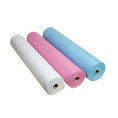
Medical PEVA Film is a type of plastic film made from a blend of polyethylene (PE) and vinyl acetate (VA). This combination results in a material that has several desirable properties for medical use. It is flexible, transparent, and has good chemical resistance, which makes it suitable for a variety of medical packaging and barrier applications. You can find more information about our Medical PEVA Film on our website.
Properties Relevant to Ophthalmic Applications
- Transparency: One of the most important requirements for any material used in ophthalmic applications is transparency. The ability to see clearly through the material is crucial for procedures such as eye examinations, surgical interventions, and the use of contact lenses. Medical PEVA Film typically has high transparency, which makes it a potential candidate for some ophthalmic applications. For example, it could be used as a protective covering for ophthalmic instruments or as a barrier during certain eye surgeries to prevent contamination.
- Flexibility: Ophthalmic procedures often require materials that can conform to the shape of the eye or other delicate structures. Medical PEVA Film is highly flexible, which allows it to be easily molded and shaped to fit the specific needs of the application. This flexibility can be beneficial in creating custom - made barriers or covers for ophthalmic devices.
- Chemical Resistance: The eye is a sensitive organ, and any material used in its vicinity must be resistant to chemicals that could cause irritation or damage. Medical PEVA Film has good chemical resistance, which means it can withstand exposure to common disinfectants and other chemicals used in ophthalmic settings without degrading or releasing harmful substances.
Challenges and Considerations
- Biocompatibility: Biocompatibility is a critical factor in ophthalmic applications. The material must not cause an immune response or other adverse reactions when in contact with the eye or its surrounding tissues. While Medical PEVA Film is generally considered safe for many medical applications, its long - term biocompatibility in the ophthalmic environment needs to be further investigated. For example, some patients may have sensitivities to the plasticizers or other additives used in the film, which could potentially lead to eye irritation or other problems.
- Sterility: Ophthalmic procedures require a high level of sterility to prevent infections. Medical PEVA Film can be sterilized using common methods such as gamma irradiation or ethylene oxide sterilization. However, ensuring that the film remains sterile throughout its use in an ophthalmic setting can be challenging, especially if it is used for extended periods or in multiple procedures.
- Optical Quality: In addition to transparency, the optical quality of the material is also important. Any distortion or haze in the film could affect the accuracy of ophthalmic examinations or surgical procedures. While Medical PEVA Film has good transparency, its optical properties may not be as precise as those of specialized ophthalmic materials, which could limit its use in certain high - precision applications.
Potential Ophthalmic Applications
- Protective Barriers: Medical PEVA Film could be used as a protective barrier during ophthalmic surgeries. It can be placed over the eye or other surrounding areas to prevent the spread of bacteria and other contaminants. For example, it could be used as a disposable drape during cataract surgeries or other intraocular procedures.
- Ophthalmic Instrument Packaging: The film can also be used for packaging ophthalmic instruments. Its transparency allows for easy visual inspection of the instruments, while its flexibility and chemical resistance protect the instruments from damage and contamination during storage and transportation.
- Contact Lens Packaging: Although more research is needed, Medical PEVA Film could potentially be used in contact lens packaging. Its flexibility and transparency make it a suitable candidate for creating custom - shaped packages that can protect the contact lenses and maintain their sterility.
Comparison with Other Materials
There are several other materials commonly used in ophthalmic applications, such as polyvinyl chloride (PVC), silicone, and glass. Each material has its own advantages and disadvantages.
- PVC: PVC is widely used in medical applications due to its low cost and good mechanical properties. However, it may contain phthalates, which are potential endocrine disruptors and may cause eye irritation. Medical PEVA Film, on the other hand, is free from many of the harmful additives found in PVC, making it a potentially safer alternative.
- Silicone: Silicone is known for its excellent biocompatibility and flexibility. It is commonly used in contact lenses and other ophthalmic devices. While Medical PEVA Film may not have the same level of biocompatibility as silicone, it is more cost - effective and easier to process, which could make it a viable option for some less - critical applications.
- Glass: Glass has excellent optical properties and is highly resistant to chemicals. However, it is brittle and heavy, which limits its use in some ophthalmic applications. Medical PEVA Film offers a more lightweight and flexible alternative, although its optical quality may not be as high as that of glass.
Conclusion
In conclusion, Medical PEVA Film has several properties that make it a potential candidate for some ophthalmic medical applications. Its transparency, flexibility, and chemical resistance are advantageous, and it could be used for protective barriers, instrument packaging, and potentially contact lens packaging. However, there are also challenges that need to be addressed, such as biocompatibility, sterility, and optical quality.


As a supplier of Medical PEVA Film, we are committed to conducting further research and development to explore the full potential of this material in ophthalmic applications. We believe that with proper testing and optimization, Medical PEVA Film could become a valuable addition to the range of materials used in ophthalmic medicine.
If you are interested in learning more about our Medical PEVA Film or discussing potential applications in the ophthalmic field, please feel free to contact us. We would be happy to engage in a procurement discussion and provide you with more detailed information and samples.
References
- [List of relevant research papers on the properties of PEVA film and its medical applications]
- [Industry standards and guidelines for ophthalmic materials]
- [Previous studies on the biocompatibility and optical properties of plastic films in ophthalmic settings]