


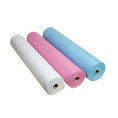


Hey there! I'm a supplier of Laminated Non Woven Fabric, and I've been in this game for quite a while. One of the most common questions I get from my customers is how to increase the adhesion strength in the lamination of non woven fabric. Well, you've come to the right place! In this blog post, I'm gonna share some tips and tricks that I've picked up over the years to help you achieve better adhesion in your lamination process.
Understanding the Basics
Before we dive into the tips, let's first understand a bit about non woven fabric and lamination. Non woven fabric is made by bonding or interlocking fibers together, rather than weaving or knitting them. It's used in a wide range of applications, from medical and hygiene products to automotive and industrial uses. Lamination, on the other hand, is the process of bonding two or more layers of materials together using an adhesive.
The adhesion strength between the non woven fabric and the other layer (or layers) is crucial for the performance and durability of the laminated product. If the adhesion is weak, the layers may separate, leading to a poor-quality product that may not meet the required standards.

Factors Affecting Adhesion Strength
There are several factors that can affect the adhesion strength in the lamination of non woven fabric. Let's take a look at some of the most important ones:
1. Surface Preparation
The surface of the non woven fabric needs to be clean and free of any contaminants, such as dust, oil, or moisture. These contaminants can prevent the adhesive from bonding properly to the fabric, resulting in weak adhesion. To ensure good surface preparation, you can use a cleaning agent or solvent to remove any dirt or debris from the fabric surface. You can also use a corona treatment or plasma treatment to increase the surface energy of the fabric, which can improve the adhesion of the adhesive.
2. Adhesive Selection
The choice of adhesive is also crucial for achieving good adhesion strength. Different types of adhesives have different properties and are suitable for different applications. For example, hot melt adhesives are commonly used in the lamination of non woven fabric because they offer fast bonding and high strength. However, they may not be suitable for applications that require flexibility or resistance to heat or chemicals. On the other hand, solvent-based adhesives offer good adhesion and flexibility, but they may emit volatile organic compounds (VOCs), which can be harmful to the environment and human health. When selecting an adhesive, you need to consider factors such as the type of non woven fabric, the other layer(s) being laminated, the application requirements, and the environmental conditions.
3. Adhesive Application
The way the adhesive is applied can also affect the adhesion strength. The adhesive needs to be applied evenly and at the right thickness to ensure good bonding. If the adhesive is applied too thick, it may take longer to dry or cure, which can result in weak adhesion. On the other hand, if the adhesive is applied too thin, it may not provide enough bonding strength. You can use a roller, a spray gun, or a slot die to apply the adhesive to the fabric surface. The application method will depend on the type of adhesive, the fabric type, and the production process.
4. Lamination Conditions
The lamination conditions, such as temperature, pressure, and dwell time, can also have a significant impact on the adhesion strength. The temperature needs to be high enough to activate the adhesive and allow it to bond properly to the fabric, but not too high that it damages the fabric or the adhesive. The pressure needs to be sufficient to ensure good contact between the layers, but not too high that it causes the fabric to deform or the adhesive to squeeze out. The dwell time, which is the time the layers are in contact with each other under pressure, needs to be long enough to allow the adhesive to cure or dry completely.
Tips for Increasing Adhesion Strength
Now that we've discussed the factors that can affect the adhesion strength, let's take a look at some tips for increasing it:
1. Optimize Surface Preparation
As mentioned earlier, surface preparation is crucial for achieving good adhesion. Make sure to clean the fabric surface thoroughly before applying the adhesive. You can use a cleaning agent or solvent to remove any dirt or debris, and then dry the fabric completely. You can also use a corona treatment or plasma treatment to increase the surface energy of the fabric, which can improve the adhesion of the adhesive.
2. Choose the Right Adhesive
Select an adhesive that is suitable for your application. Consider factors such as the type of non woven fabric, the other layer(s) being laminated, the application requirements, and the environmental conditions. If you're not sure which adhesive to use, consult with your adhesive supplier or a technical expert.
3. Apply the Adhesive Correctly
Apply the adhesive evenly and at the right thickness. Use a roller, a spray gun, or a slot die to apply the adhesive to the fabric surface. Make sure to follow the manufacturer's instructions for the adhesive application. If you're using a hot melt adhesive, make sure to set the temperature and pressure correctly to ensure good bonding.
4. Control the Lamination Conditions
Control the temperature, pressure, and dwell time during the lamination process. Make sure the temperature is high enough to activate the adhesive, but not too high that it damages the fabric or the adhesive. The pressure should be sufficient to ensure good contact between the layers, but not too high that it causes the fabric to deform or the adhesive to squeeze out. The dwell time should be long enough to allow the adhesive to cure or dry completely.
5. Test the Adhesion Strength
After the lamination process, test the adhesion strength of the laminated product. You can use a peel test or a shear test to measure the adhesion strength. If the adhesion strength is not satisfactory, you may need to adjust the surface preparation, adhesive selection, adhesive application, or lamination conditions.
Conclusion
Increasing the adhesion strength in the lamination of non woven fabric is crucial for the performance and durability of the laminated product. By understanding the factors that affect adhesion strength and following the tips outlined in this blog post, you can achieve better adhesion in your lamination process. Remember to optimize the surface preparation, choose the right adhesive, apply the adhesive correctly, control the lamination conditions, and test the adhesion strength. If you have any questions or need further assistance, feel free to contact me. I'm always happy to help!
If you're interested in purchasing Laminated Non Woven Fabric, please don't hesitate to get in touch with me. We offer high-quality laminated non woven fabric at competitive prices. Let's start a conversation and see how we can work together to meet your needs.
References
- ASTM D903 - Standard Test Method for Peel or Stripping Strength of Adhesive Bonds
- ISO 4587 - Adhesives - Determination of Tensile Lap-Shear Strength of Rigid-to-Rigid Adhesive Bonds
- Handbook of Adhesive Technology, Second Edition, edited by Andrew Pizzi and K. L. Mittal