


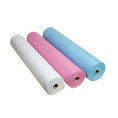


In the realm of non - woven fabrics, Green PE Laminated Viscose has emerged as a popular choice for a wide range of applications. As a supplier of Green PE Laminated Viscose, I am frequently asked about its safety for human contact. This blog post aims to delve into the topic comprehensively, providing a scientific and reasonable analysis.
Understanding Green PE Laminated Viscose
Before discussing its safety, let's first understand what Green PE Laminated Viscose is. Viscose, also known as rayon, is a semi - synthetic fiber made from wood pulp or other cellulose sources. It is known for its softness, breathability, and absorbency, making it a popular material in the textile industry. Polyethylene (PE) is a widely used plastic known for its durability, flexibility, and chemical resistance. When PE is laminated onto viscose, it combines the favorable properties of both materials. The lamination process creates a fabric that is stronger, more water - resistant, and potentially more hygienic.
Chemical Composition and Safety
One of the primary concerns regarding human contact with any material is its chemical composition. Viscose is generally considered safe for human skin. It is a natural - based fiber, and the manufacturing process of viscose has become more environmentally friendly and less toxic over the years. However, some older production methods may have used chemicals such as carbon disulfide, which can be harmful. But modern, high - quality viscose is produced using more sustainable and safer processes.
Polyethylene is also a relatively safe plastic. It is non - toxic, does not leach harmful chemicals into the environment or onto the skin under normal conditions. The lamination process typically uses adhesives to bond the PE layer to the viscose. Reputable manufacturers use adhesives that are safe for human contact. These adhesives are often tested for compliance with international safety standards, such as those set by the Consumer Product Safety Commission (CPSC) in the United States or the European Union's REACH regulations.
Applications and Safety Considerations
Medical and Hygiene Products
Green PE Laminated Viscose is commonly used in medical and hygiene products, such as disposable surgical gowns, face masks, and sanitary napkins. In these applications, the fabric's safety is of utmost importance. For surgical gowns, the fabric needs to provide a barrier against fluids and microorganisms while remaining comfortable for the wearer. The PE layer helps in preventing the penetration of blood and other bodily fluids, reducing the risk of cross - contamination. The viscose layer provides comfort and breathability, making it suitable for long - term wear.
For sanitary napkins, the softness of viscose against the skin is combined with the leak - proof properties of the PE layer. This shows that in medical and hygiene applications, Green PE Laminated Viscose is designed to be safe and effective for direct human contact.


Consumer Goods
In consumer goods, such as clothing, home textiles, and bags, Green PE Laminated Viscose can also be found. Clothing made from this fabric can offer a unique combination of style and functionality. The water - resistant PE layer can protect the wearer from light rain or spills, while the viscose provides a comfortable fit. Home textiles, like tablecloths or curtains, can benefit from the fabric's durability and easy - to - clean nature.
However, it's important to note that individuals with sensitive skin may still have allergic reactions to any material. While Green PE Laminated Viscose is generally safe, a small percentage of the population may experience skin irritation. This could be due to an individual's specific sensitivities or an allergy to one of the components, such as the adhesive used in the lamination process.
Microbiological Safety
Another aspect of safety is microbiological contamination. The PE layer in Green PE Laminated Viscose can act as a barrier against bacteria and other microorganisms. In medical and hygiene applications, this is crucial for preventing the spread of infections. The fabric's smooth surface also makes it easier to clean and disinfect.
In consumer goods, the reduced porosity of the laminated fabric compared to pure viscose can reduce the likelihood of microbial growth. However, proper storage and handling are still necessary to maintain the fabric's microbiological safety. For example, if the fabric is stored in a damp environment for an extended period, it may become a breeding ground for mold and bacteria.
Comparison with Similar Materials
Let's compare Green PE Laminated Viscose with some similar materials. For instance, PE Laminated SMS High Absorbent is another type of laminated non - woven fabric. SMS stands for Spunbond - Meltblown - Spunbond, which is a combination of different non - woven layers. While both Green PE Laminated Viscose and PE Laminated SMS High Absorbent offer water - resistance and strength, the former is softer and more comfortable for direct skin contact due to the viscose layer.
PE Laminated Non Woven Fabric 140gX1.02m is a general - purpose laminated fabric. It may be used in a variety of applications, including packaging and industrial uses. Green PE Laminated Viscose, on the other hand, is more suitable for applications where human contact is frequent, such as in the medical and consumer goods sectors.
Coated Non Woven Fabric For Construction is designed for use in the construction industry. It is typically thicker and more rugged than Green PE Laminated Viscose. The latter is not intended for heavy - duty construction applications but is better suited for products that require a softer touch and more intimate human contact.
Real - World Testing and Certifications
To ensure the safety of Green PE Laminated Viscose, it is important to look at real - world testing and certifications. Many manufacturers conduct tests on their products, including skin irritation tests, flammability tests, and chemical composition analysis. Certifications from independent testing organizations, such as Oeko - Tex Standard 100, can provide additional assurance. This certification indicates that the fabric has been tested for harmful substances and meets strict environmental and safety criteria.
Conclusion
In general, Green PE Laminated Viscose is safe for human contact. The combination of viscose and PE offers a fabric that is both functional and comfortable. The chemical components of both viscose and PE are relatively safe, and modern manufacturing processes ensure that the lamination and any associated adhesives are also non - toxic. However, as with any material, individual sensitivities can vary, and proper handling and storage are necessary to maintain its safety.
If you are interested in purchasing Green PE Laminated Viscose for your business or project, I encourage you to contact me for more information and to discuss your specific requirements. I can provide samples, detailed product specifications, and information on pricing. Let's work together to find the best solution for your needs.
References
- "The Handbook of Fiber Chemistry" by Menachem Lewin and Eli M. Pearce.
- "Polymer Science and Technology" by Donald R. Paul and C. Barry Bucknall.
- International safety standards set by the Consumer Product Safety Commission (CPSC) and the European Union's REACH regulations.