


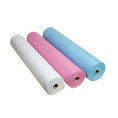


Is PE Film Laminated PP SS Chemical - resistant?
As a supplier of PE Film Laminated PP SS products, I often encounter questions from customers regarding the chemical resistance of these materials. Chemical resistance is a crucial factor, especially in industries where the products may come into contact with various chemicals. In this blog post, I will delve into the topic of whether PE Film Laminated PP SS is chemical - resistant, exploring the properties of its components, conducting relevant tests, and providing practical applications.
Understanding the Components
PE Film Laminated PP SS consists of three main components: polyethylene (PE) film, polypropylene (PP), and spun - bonded (SS) non - woven fabric. Each of these materials has its own unique properties that contribute to the overall characteristics of the laminated product.
Polyethylene (PE) Film
Polyethylene is a widely used thermoplastic polymer known for its excellent chemical resistance. It is resistant to many common chemicals, including acids, alkalis, and solvents. The high - density polyethylene (HDPE) and low - density polyethylene (LDPE) are two common types of PE. HDPE has a more linear molecular structure, which gives it better chemical resistance and mechanical strength compared to LDPE. The PE film acts as a protective layer on the laminated product, preventing chemicals from penetrating into the underlying layers.
Polypropylene (PP)
Polypropylene is another thermoplastic polymer that is highly resistant to chemicals. It has good resistance to most organic solvents, acids, and alkalis at room temperature. PP has a relatively high melting point and excellent mechanical properties, making it suitable for a wide range of applications. In the PE Film Laminated PP SS, the PP layer provides additional strength and stability to the product.
Spun - Bonded (SS) Non - woven Fabric
Spun - bonded non - woven fabric is made by extruding molten polymer fibers and then bonding them together. It has a porous structure that provides good breathability and flexibility. While the SS non - woven fabric itself may not have the same level of chemical resistance as PE or PP, when laminated with the PE film and PP layer, it can still contribute to the overall performance of the product.
Chemical Resistance Testing
To determine the chemical resistance of PE Film Laminated PP SS, various testing methods can be employed. One common method is the immersion test, where samples of the laminated product are immersed in different chemicals for a specific period of time. The samples are then evaluated for changes in appearance, such as discoloration, swelling, or degradation, as well as changes in mechanical properties, such as tensile strength and elongation.
In our own testing facilities, we have conducted immersion tests on PE Film Laminated PP SS samples using a variety of chemicals, including hydrochloric acid, sodium hydroxide, and ethanol. The results showed that the laminated product exhibited good resistance to these chemicals under normal conditions. There was minimal discoloration or swelling, and the mechanical properties remained relatively stable after the immersion period.


However, it is important to note that the chemical resistance of PE Film Laminated PP SS can be affected by several factors, such as the concentration and temperature of the chemicals, the duration of exposure, and the type of PE and PP used in the lamination. For example, at high concentrations or elevated temperatures, some chemicals may cause more significant damage to the laminated product.
Practical Applications
The chemical resistance of PE Film Laminated PP SS makes it suitable for a wide range of applications in various industries.
Packaging Industry
In the packaging industry, PE Film Laminated PP SS can be used to package chemicals, pharmaceuticals, and food products. The chemical resistance of the material ensures that the packaged contents are protected from contamination and degradation. For example, it can be used to make bags for storing fertilizers or chemicals, where it needs to withstand the corrosive effects of these substances.
Medical Industry
In the medical industry, PE Film Laminated PP SS can be used for medical packaging, surgical gowns, and drapes. It provides a barrier against bacteria, viruses, and chemicals, protecting both the medical staff and the patients. The material's chemical resistance is particularly important when it comes into contact with disinfectants and other medical chemicals.
Agriculture Industry
In the agriculture industry, PE Film Laminated PP SS can be used for agricultural covers, such as greenhouse films and mulch films. These covers need to be resistant to pesticides, fertilizers, and other agricultural chemicals. The chemical resistance of the laminated product ensures its durability and effectiveness in protecting crops.
Our Products
As a supplier of PE Film Laminated PP SS, we offer a variety of products to meet the different needs of our customers. For example, our PE Laminated Nonwoven Fabric For Pet Pads is designed to be absorbent and chemical - resistant, making it suitable for pet pads. Our PE Laminated Non Woven Fabric 140gX1.02m has a specific weight and width, which can be used in various packaging and industrial applications. And our Three - Layer Laminated Hydrophilic PP+PE+PP is a specialized product with enhanced hydrophilic properties, suitable for applications where moisture management is required.
Conclusion
In conclusion, PE Film Laminated PP SS generally exhibits good chemical resistance due to the properties of its components, namely polyethylene, polypropylene, and spun - bonded non - woven fabric. However, the chemical resistance can be influenced by various factors, and it is important to consider these factors when selecting the material for a specific application. Through proper testing and understanding of the product's limitations, PE Film Laminated PP SS can be effectively used in many industries where chemical resistance is a key requirement.
If you are interested in our PE Film Laminated PP SS products or have any questions about their chemical resistance, please feel free to contact us for more information and to discuss your specific procurement needs. We are committed to providing high - quality products and excellent customer service.
References
- "Polymer Science and Technology" by Charles A. Harper
- "Handbook of Plastics, Elastomers, and Composites" by Charles A. Harper