


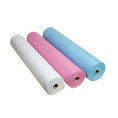


Hey there! As a supplier of PE laminated non woven fabric, I often get asked about the heat resistance of this material. So, I thought I'd take a moment to share what I know and give you a better understanding of how it performs under high temperatures.
First off, let's talk about what PE laminated non woven fabric is. It's a composite material made by laminating a layer of polyethylene (PE) film to a non woven fabric substrate. This combination gives the material a range of useful properties, such as water resistance, tear strength, and flexibility. But when it comes to heat resistance, things can get a little more complicated.
The heat resistance of PE laminated non woven fabric depends on a few different factors, including the type of PE film used, the thickness of the film, and the quality of the lamination process. Generally speaking, most PE laminated non woven fabrics have a melting point in the range of 100°C to 130°C (212°F to 266°F). This means that they can withstand moderate heat without melting or deforming, but they may start to lose their shape or integrity if exposed to higher temperatures for an extended period of time.
However, it's important to note that not all PE laminated non woven fabrics are created equal. Some manufacturers may use lower quality PE films or less effective lamination processes, which can result in a material with lower heat resistance. That's why it's important to choose a reputable supplier who uses high quality materials and has a proven track record of producing reliable products.
At our company, we take pride in offering a wide range of PE laminated non woven fabrics with excellent heat resistance. Our products are made using high quality PE films and advanced lamination techniques, which ensure that they can withstand high temperatures without losing their strength or integrity. Whether you need a material for industrial applications, construction projects, or medical use, we have a solution that will meet your needs.
For example, our Coated Non Woven Fabric For Construction is specifically designed for use in construction applications where heat resistance is a key requirement. This material is made with a thick, durable PE film that provides excellent protection against heat, moisture, and other environmental factors. It's also resistant to tearing and punctures, making it ideal for use in harsh outdoor conditions.
Another popular product in our range is our Blue PE Laminated Viscose. This material is made with a soft, absorbent viscose substrate that is laminated with a thin layer of PE film. The result is a material that is both comfortable to wear and highly resistant to heat and moisture. It's commonly used in medical applications, such as surgical gowns and drapes, where hygiene and comfort are essential.
Finally, our PE Laminated Spunlace for Medical is a high performance material that is specifically designed for use in medical environments. It's made with a soft, breathable spunlace substrate that is laminated with a thin layer of PE film. This combination provides excellent protection against heat, moisture, and bacteria, while also ensuring that the material is comfortable to wear for extended periods of time.
In conclusion, the heat resistance of PE laminated non woven fabric is an important factor to consider when choosing a material for your application. While most PE laminated non woven fabrics have a moderate heat resistance, it's important to choose a high quality product from a reputable supplier to ensure that it will perform as expected. At our company, we offer a wide range of PE laminated non woven fabrics with excellent heat resistance, so you can be confident that you're getting a product that will meet your needs.
If you're interested in learning more about our products or would like to discuss your specific requirements, please don't hesitate to contact us. We'd be happy to help you find the right solution for your application.
References:


- ASTM International. (2021). Standard Test Method for Melting Point of Polyethylene by Differential Scanning Calorimetry. ASTM D3418-15.
- European Committee for Standardization. (2018). Textiles - Determination of the burning behaviour of vertical specimens of textile products. EN ISO 6941:2018.
- International Organization for Standardization. (2013). Plastics - Differential scanning calorimetry (DSC) - Part 3: Determination of melting and crystallization temperatures and enthalpies. ISO 11357-3:2013.