


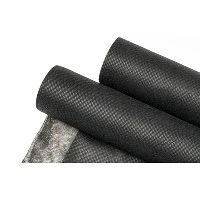

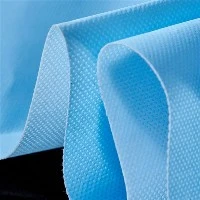

Disposable shoe covers are widely used in healthcare facilities, laboratories, cleanrooms, food processing areas, and industrial workplaces. PP spunbond nonwoven is a common material for manufacturing these products because it is lightweight, flexible, and suitable for high-volume production.
Why Is PP Spunbond Nonwoven Suitable for Shoe Covers?
PP spunbond nonwoven fabric is made from polypropylene fibers bonded together to form a uniform web. Its structure offers several advantages for disposable shoe cover manufacturing.
Lightweight construction: The fabric adds minimal weight, helping users wear shoe covers comfortably during routine activities.
Breathability: The porous structure allows air to pass through, which can help reduce heat buildup during use. Actual breathability depends on fabric weight and construction.
Processability: PP spunbond fabric can be cut, shaped, and assembled using sewing, ultrasonic welding, or other suitable converting methods.
Cost efficiency: The availability of different fabric weights and roll specifications gives manufacturers flexibility when balancing material consumption and product performance.
What GSM Is Suitable for Disposable Shoe Covers?
Fabric weight is an important factor in shoe cover production. The appropriate GSM depends on the intended environment, expected wear, and required strength.
Lighter fabrics may be suitable for basic indoor shoe covers with limited exposure to abrasion. Heavier fabrics may be considered when greater mechanical strength is needed.
However, GSM alone does not determine performance. Buyers should also evaluate tear resistance, seam strength, elasticity around the opening, and the overall design of the finished product.
What Should Buyers Check When Sourcing Shoe Cover Fabric?
For nonwoven fabric importers and disposable product manufacturers, the following specifications deserve attention:
Fabric GSM and thickness consistency
Tensile and tear strength
Roll width and winding quality
Color consistency between batches
Compatibility with cutting and welding equipment
Elastic attachment and seam performance in the finished product
Packaging requirements and order volume
For applications involving healthcare or controlled environments, buyers should also confirm whether the finished shoe covers must meet specific cleanliness, barrier, or regulatory requirements.