


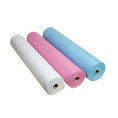

Non-woven fabric is a versatile material that has numerous applications in a variety of industries such as automotive, healthcare, construction, and agriculture, to name a few. The growing demand for non-woven fabrics has made it a popular import product worldwide. If you are planning to import non-woven fabric, you need to understand the process involved to ensure a smooth and hassle-free experience. In this blog post, we will discuss in detail the process of importing non-woven fabric.
Step 1: Research and Find a Reliable Supplier
The first step in the process is to research and find a reliable supplier who can provide you with high-quality non-woven fabric that meets your specific requirements. There are various sources available online, including B2B portals, online marketplaces, and trade shows. You should identify the suppliers who have a good reputation and experience in exporting non-woven fabrics to your country. You should also check the supplier's certifications, quality control procedures, and manufacturing capabilities.
Step 2: Negotiate and Finalize the Deal
Once you have identified the potential suppliers, the next step is to negotiate and finalize the deal. You should discuss the terms and conditions of the contract, including the price, delivery terms, payment terms, and the quality standard. You should also negotiate the lead time to ensure that the non-woven fabric is delivered to you within the stipulated time frame.
Step 3: Obtain Necessary Permits and Certifications
Before importing non-woven fabric, you need to obtain the necessary permits and certifications required by your country's regulations. The requirements vary from one country to another and may include customs clearance permits, import licenses, quality certifications, and product testing certificates.
Step 4: Shipping and Logistics
Once you have obtained the necessary permits and certifications, you can proceed with the shipping and logistics part of the process. You should choose a reliable shipping agent who can handle the transportation, documentation, and customs clearance procedures. You should also ensure that the non-woven fabric is packaged and labeled correctly to avoid any damage during transit.
Step 5: Inspection and Quality Control
After the non-woven fabric arrives at your port of destination, you should conduct an inspection and quality control process to ensure that the fabric meets your requirements and is of the expected quality standard. You can either hire a third-party inspection agency or conduct the inspection in-house. The inspection process should include checking the weight, width, thickness, tensile strength, and color consistency.
In conclusion, importing non-woven fabric requires careful planning and execution to ensure a successful outcome. By following the above steps, you can minimize the risk of delays, legal issues, and poor-quality products. It is essential to work with a reliable supplier who can provide you with high-quality non-woven fabric that meets your specific requirements.