


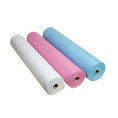

High Temperature Resistant Non Woven Fabric possesses the ability to withstand high temperatures due to several factors:
1.Specialized Fibers: The fabric is typically composed of heat-resistant fibers such as aramid, PPS (polyphenylene sulfide), or fiberglass. These fibers are specifically engineered to withstand elevated temperatures without melting or degrading, providing inherent heat resistance to the fabric.
2.Thermal Stability: The molecular structure of the fibers used in the fabric is designed to remain stable even at high temperatures. This ensures that the fabric maintains its structural integrity and performance characteristics when exposed to heat.
3.Heat-Resistant Coatings: In some cases, the fabric may be treated with heat-resistant coatings or additives to enhance its temperature resistance. These coatings provide an additional layer of protection against heat, further increasing the fabric's ability to withstand high temperatures.
4.Non-Woven Construction: The non-woven construction of the fabric contributes to its heat resistance by minimizing potential weak points or areas prone to heat damage. This construction method ensures uniform distribution of heat throughout the fabric, reducing the risk of localized melting or degradation.
Overall, the combination of specialized fibers, thermal stability, heat-resistant coatings, and non-woven construction enables High Temperature Resistant Non Woven Fabric to withstand extreme temperatures effectively, making it suitable for a wide range of high-temperature applications.

